Camera Film for Classic, Creative and Instant Photography

207 products

There’s something special about shooting on camera film. The slower pace, the anticipation, the texture, the colours, the little imperfections, film photography invites you to be more intentional with every frame.

Stay in the know

Beauty Photo of Sienna Etches

Beauty Lighting: How to Combine Hard and Soft Light to Make S...

A working beauty photographer’s guide to combining hard and soft light, beauty dish vs softbox, grids, negative fill and a clamshell setup you can copy, for skin that pops.

View post

Panel Discussion at Lunar Studios

Everyone Can Take a Picture. Not Everyone Can Hold the Room

What an agent, a Vogue visuals producer and a brand-side creative lead really look for in photographers now. There is a point in almost every creative career where the work alone stops...

View post
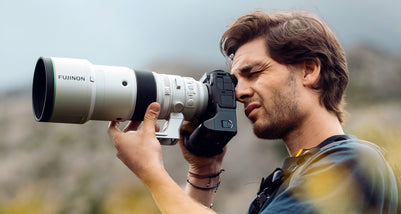
Beauty Photography Tips: Three Things I Wish I Knew Earlier

Beauty Photography Tips: Three Things I Wish I Knew Earlier

Beauty photography tips from Oliver Minnett’s Georges workshop, covering lighting, direction, working with a creative team, and using Sony and Profoto gear.

View post
Models on stage at Karla Spetics show

How We Lit Karla Spetic's Australian Fashion Week Show with P...

We were invited by Karla Spetic to help light her runway, we chose Profoto's new LED lights for the job!

View post
Ricardo sits with Ollie and discusses mobile podcasting setups

Sony A7R VI First Thoughts: A Portrait Photographer’s Take on...

Sony has just launched the new Sony A7R VI, the latest camera in its high-resolution Alpha line, and I was lucky enough to spend some time with it earlier this week. I...

View post
Ricardo sits with Ollie and discusses mobile podcasting setups

Mobile Podcasting Setups Explained: From First Rig to Full Pr...

Mobile podcasting isn’t about shortcuts. It’s about picking gear that actually works, in the places podcasts actually happen. I used to chase the “best” setup. Turns out, the best setup is the...

View post
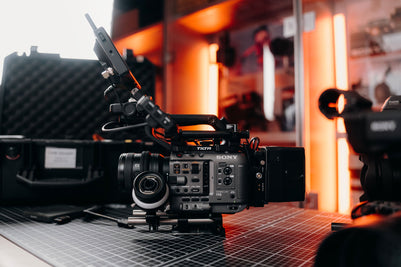
Tilta Sony FX Rigging

Rigging Up Your Sony Cinema Camera

Rigging gets a bad rap because a lot of rigs are built backwards. People buy parts first, bolt everything on, and end up with a camera that looks serious but shoots worse....

View post
Gracaie Stendl Portfolio Images

What Makes a Good Photographer? A Portfolio Deconstruction

Clyde Vaughan Guest post by Clyde Vaughan — ahead of  Clyde's talk on January 22: “How to create incredible images: A talk by Clyde Vaughan”. If you ask “what makes a good...

View post
Ollie Jones holds the 22 kg DJI Power 2000

The End of the Generator? Hands-on with the DJI Power 2000

We’ve all been there: you’re on a remote shoot, beautiful location, but you’re either scrambling to find a power outlet or lugging a massive, noisy petrol generator through the bush. We’ve been...

View post
Oliver Minnett teaching a photography workshop

Why 2026 Might be the year to change from DSLR to Mirrorless

Alright—let’s do the DSLR vs mirrorless thing properly. Not “on paper”, not “in theory”, but head-to-head on the stuff that actually matters when you’re out shooting. My name's Oliver Minnett, I'm Georges...

View post

Introduction to Camera Film

Film photography has a look and feel that digital photography often tries to recreate. From soft grain and rich colour to beautiful contrast and natural skin tones, film brings a timeless quality to your images.

For beginners, shooting film is a great way to slow down and learn the fundamentals of photography. For experienced photographers, it offers a creative change of pace and a distinctive visual style. Every roll feels a little more considered, and every frame matters.

Unlike digital photography, where you can instantly review and reshoot, camera film encourages you to trust your eye, read the light and enjoy the process.

Types of Camera Film Available

Colour Film

Colour film is a favourite for portraits, travel, street photography, landscapes, weddings and everyday moments. It gives images warmth, depth and personality, with each film stock offering its own colour palette and contrast.

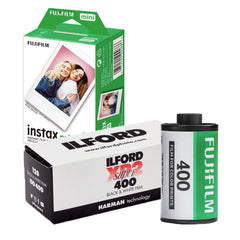
The Kodak Portra 400 Colour Negative Film 35mm Roll Film 36 Exposures 5 Pack is a popular choice for portrait and lifestyle photographers thanks to its flattering skin tones, flexible ISO 400 speed and beautiful colour rendering.

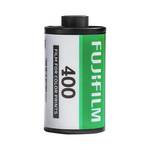
For everyday shooting, holidays and casual film photography, the Kodak GC 135-24 Ultra Max Gold 400 Film 3 Pack is a great option. It’s versatile, approachable and well suited to a wide range of lighting conditions.

Colour film is ideal if you want warm memories, nostalgic travel shots, natural portraits or vibrant everyday photography.

Black and White Film

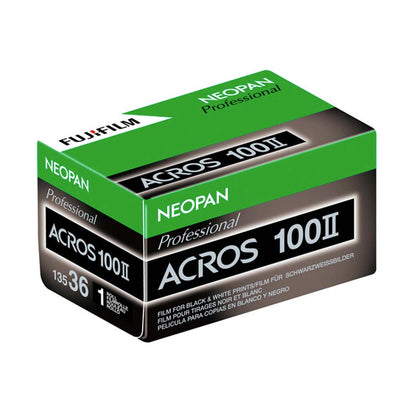
Black and white film has a classic, expressive quality that never really goes out of style. Without colour, your attention shifts to light, shadow, shape, texture and emotion.

It’s a beautiful choice for street photography, portraits, documentary work, architecture and fine art photography. Black and white film can feel timeless, dramatic, quiet or raw depending on how you expose and develop it.

The Ilford HP5 Plus ISO 400 35mm 36 Exposure Black & White Film is a trusted option for photographers who want flexible ISO 400 performance, strong contrast and classic grain.

Other notable black and white film names include Ilford Delta and Kodak TMAX, both loved by photographers for their sharpness, tonal range and distinctive rendering.

Instant Film

Instant film brings the joy of photography into your hands almost immediately. It’s fun, social and wonderfully tactile, making it perfect for parties, travel, weddings, creative journals, gifts and everyday memory-making.

The Fujifilm Instax Mini Instant Film 60 Exposures is ideal for Instax Mini cameras, giving you small, shareable prints with that unmistakable instant photo charm.

For Polaroid shooters, the Polaroid Colour i-Type Instant Film 5 Pack 40 Exposures is a great choice for creative instant photography with a larger, classic Polaroid feel.

Instant film is less about perfection and more about feeling. That’s exactly what makes it so much fun.

Choosing the Right Film for Your Camera

Before buying camera film, the first step is checking what format your camera uses. The most common formats include:

35mm film

The most widely used film format, suitable for many compact film cameras, SLRs and reusable point-and-shoot cameras.

120 film

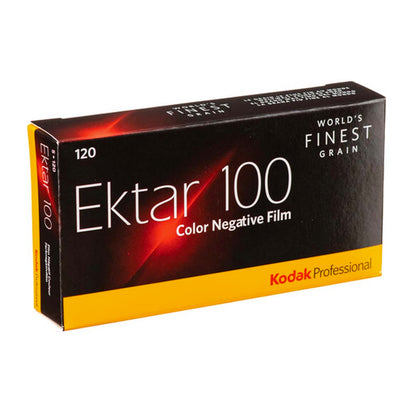
Used in medium format cameras, offering larger negatives and excellent detail.

Instant film

Used in compatible instant cameras, including Fujifilm Instax and Polaroid models. Make sure the film type matches your specific camera.

For portraits, Kodak Portra is a favourite thanks to its soft contrast, natural skin tones and flexible exposure latitude. It’s a beautiful choice for weddings, lifestyle photography, editorial work and any shoot where flattering colour matters.

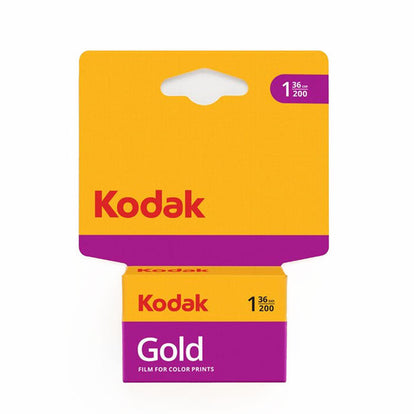
For casual everyday colour, Kodak Gold is a great option if you love warm tones, sunny colour and a nostalgic film look. It’s well suited to travel, family moments, street photography and general daylight shooting, giving images that classic golden Kodak feel.

Kodak Ultra Max is another strong everyday film choice, especially when you want a little more versatility across different lighting conditions. With its ISO 400 speed, it’s useful for snapshots, events, cloudy days, indoor scenes with flash and general point-and-shoot photography.

For black and white, Ilford HP5 Plus is a dependable classic, offering flexible ISO 400 performance, pleasing grain and strong contrast for portraits, street photography, documentary work and creative everyday shooting.

Tips for Film Photography

Shooting film is simple, but a little care goes a long way.

Pay attention to light

Film loves good light. Look for soft window light, golden hour, open shade or interesting contrast.

Expose carefully

Film is forgiving, but exposure still matters. Use your camera’s meter if it has one, or try a light meter app if you’re learning.

Know your ISO

Film ISO is fixed for the roll, so choose your film based on the conditions you expect to shoot in.

Slow down

With a limited number of frames, film encourages you to compose with intention.

Keep film cool

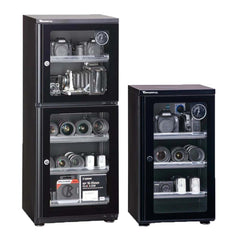
Store unused film somewhere cool and dry to help preserve colour and performance.

Label your rolls

If you shoot multiple rolls, note the camera, film stock and shooting conditions. It’s a simple habit that helps you learn faster.

Enjoy the surprises

Part of film’s charm is that not every frame will be perfect. The unexpected results are often the ones you remember most.

Explore Our Collection

Explore the full range of camera film at George’s Cameras, including Kodak colour film, Ilford black and white film, Fujifilm Instax instant film and Polaroid instant film.

Whether you’re heading out for a weekend shoot, loading up for a portrait session or gifting someone their first taste of instant photography, our team is here to help you find the right film for your camera and creative style.

Shop online or visit us in Sydney for friendly advice from people who love photography in all its forms.

Frequently asked questions

What types of film are best for portrait photography?

Colour negative films like Kodak Portra 400 are popular for portrait photography because they offer flattering skin tones, soft contrast and excellent flexibility. Black and white films such as Ilford HP5 Plus can also create beautiful, timeless portraits with strong mood and texture.

How do I know which film is compatible with my camera?

Check the film format your camera uses. Many film cameras use 35mm film, while medium format cameras often use 120 film. Instant cameras require specific film types, such as Fujifilm Instax Mini or Polaroid i-Type. If you’re unsure, check the camera manual or ask the George’s Cameras team.

What are the differences between colour and black and white film?

Colour film captures natural colour and is great for portraits, travel, lifestyle and everyday photography. Black and white film removes colour, placing more focus on light, contrast, shape and emotion. Both have their own creative feel.

Can I use expired film, and what effects can I expect?

Yes, expired film can be used, but results may be unpredictable. You might see colour shifts, increased grain, reduced contrast or fogging. Some photographers love expired film for its experimental look, but fresh film is more reliable for important shoots.

What is the best way to store my film before use?

Store film in a cool, dry place away from heat and direct sunlight. For longer-term storage, many photographers keep film in the fridge. Let refrigerated film return to room temperature before loading it into your camera.

How do I develop my film once it’s been shot?

After shooting, take or send your film to a film lab for developing and scanning. Some photographers also develop black and white film at home with the right chemicals and equipment. For beginners, using a lab is usually the easiest place to start.

Are there any specific tips for shooting with instant film?

Instant film needs a little care. Avoid touching the image area while it develops, keep it out of harsh direct sunlight during development, and make sure your camera is set for the right lighting conditions where possible. Instant film also performs best when stored correctly.

What are the benefits of using professional-grade film over consumer options?

Professional-grade film often offers more consistent colour, finer grain, better exposure latitude and more refined tones. Consumer film is usually more affordable and great for everyday use, while professional film is ideal for portraits, weddings, paid work and important creative projects.