Smartphone Gimbals

24 products

A gimbal is a stabilisation tool designed to keep video footage smooth, balanced, and professional-looking — even when you’re moving. Whether you’re filming on the go, creating social content, or shooting longer-form video, a gimbal for iPhone or smartphone dramatically reduces shake and unwanted motion.

Stay in the know
Tilta Sony FX Rigging

Rigging Up Your Sony Cinema Camera

Rigging gets a bad rap because a lot of rigs are built backwards. People buy parts first, bolt everything on, and end up with a camera that looks serious but shoots worse....

View post
Gracaie Stendl Portfolio Images

What Makes a Good Photographer? A Portfolio Deconstruction

Clyde Vaughan Guest post by Clyde Vaughan — ahead of  Clyde's talk on January 22: “How to create incredible images: A talk by Clyde Vaughan”. If you ask “what makes a good...

View post
Ollie Jones holds the 22 kg DJI Power 2000

The End of the Generator? Hands-on with the DJI Power 2000

We’ve all been there: you’re on a remote shoot, beautiful location, but you’re either scrambling to find a power outlet or lugging a massive, noisy petrol generator through the bush. We’ve been...

View post
Oliver Minnett teaching a photography workshop

Why 2026 Might be the year to change from DSLR to Mirrorless

Alright—let’s do the DSLR vs mirrorless thing properly. Not “on paper”, not “in theory”, but head-to-head on the stuff that actually matters when you’re out shooting. My name's Oliver Minnett, I'm Georges...

View post
Two Leica M11P's on a desk

Leica is now at Georges Cameras

Some cameras don’t just document your life; they become part of it. I bought a Leica M6 in 2012. Photography had always been a part of my life; my dad had run...

View post
Man using Sony A7 V Mirrorless Camera

5 Things to Know Before You Upgrade Your Camera

Upgrading your camera? Learn the 5 things that matter: sensor size, ergonomics, lenses, power/media, and colour/screens—so you can choose the right camera with confidence.

View post
Girls taking photo with Point and Shoot

Canon G7X Mark III vs Sony, Panasonic, Ricoh & Fujifilm: Best...

Looking beyond the Canon G7X Mark III? We compare the best compact cameras from Sony, Panasonic, Ricoh and Fujifilm to help you choose the right model for 2025.

View post
Wedding photoshoot on a warf

Couples Photography: Get Real Moments, Not Stiff Poses

Clyde Vaughan shares five great tips that consistently make couples shoots shoots feel easy and look incredible for Georges Cameras.

View post
Canon EOS R6 MARK III

Canon EOS R6 Mark III Review: First Impressions, Real-World P...

In this post, we review the new Canon EOS R6 Mark III Camera and the RF 45mm F1.2 STM Lens.

View post
xt50 III

First Look: Fujifilm X-T30 III - The Little Legend Returns

In this post we review the new Canon EOS C50!

View post

Frequently asked questions

What is the difference between a camera gimbal and a smartphone gimbal?

Camera gimbals are designed for heavier payloads like mirrorless or DSLR cameras, while smartphone gimbals are built specifically for phones and prioritise portability and ease of use.

Can I use a gimbal with a DSLR camera?

Yes, but only camera-specific gimbals support DSLR payloads. Smartphone gimbals are not designed to handle the weight of larger cameras.

How do I maintain my gimbal for optimal performance?

Keep motors clean, store the gimbal powered off, and balance your device correctly before use. Regular charging also helps maintain battery health.

What features should I look for in a gimbal for travel?

Look for lightweight designs, foldable construction, long battery life, and quick setup. Compact size makes a big difference when travelling.

Are there gimbals suitable for action cameras?

Yes, some gimbals are designed for action cameras, but smartphone gimbals are not interchangeable with action camera mounts.

How do I balance my camera or phone on a gimbal?

Proper balancing involves centring the device before powering on the gimbal. Most smartphone gimbals provide guides through their companion apps.

Can I use my gimbal for live streaming?

Yes. Many phone gimbals work well for live streaming and include features like tracking and stabilisation that improve broadcast quality.

What is the maximum weight capacity for the gimbals available at Georges?

Weight capacity varies by model. Smartphone gimbals are designed for phones only, while camera gimbals support higher payloads depending on the system.


Types of Gimbals Available

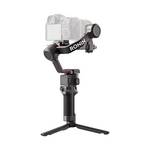
Camera Gimbals

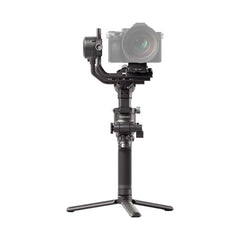
Camera gimbals are built to support larger payloads such as mirrorless and DSLR cameras. They offer advanced stabilisation, longer battery life, and greater control for professional video workflows. Features often include multiple shooting modes, programmable buttons, and compatibility with remote controls or accessories.

These gimbals are ideal for filmmakers, event videographers, and creators working with dedicated camera systems who need precise control and consistent performance.

Smartphone Gimbals

Smartphone gimbals are lightweight, easy to use, and designed specifically for mobile filming. A quality iPhone gimbal or phone stabiliser uses 3-axis stabilisation to keep footage smooth while walking, panning, or tracking a subject.

Many smartphone gimbals integrate with mobile apps for advanced features such as subject tracking, gesture control, and creative shooting modes. They’re a popular choice for vloggers, social creators, and anyone producing high-quality video using their phone.

Popular options available at Georges include the DJI Osmo Mobile 7, designed for smooth stabilisation and intuitive controls.

The OM SE offers a simple, lightweight solution for everyday mobile filming.

Creators who want advanced tracking and AI features often choose the Insta360 Flow 2 AI Tracker Bundle.

For ultra-compact portability, the FeiyuTech Vlog Pocket Gimbal folds down easily and travels light.

Key Features to Consider

When choosing a phone gimbal or an iPhone gimbal, stabilisation technology is the most important factor. Most modern gimbals use 3-axis stabilisation, which compensates for movement across tilt, roll, and pan for smooth footage.

Build quality and durability matter if you’re filming regularly or travelling. Battery life is also key — longer runtimes mean fewer interruptions during shoots. Portability plays a big role for mobile creators, with foldable designs making gimbals easier to carry and store.

Other useful features include app integration, intelligent subject tracking, quick switching between portrait and landscape modes, and USB-C charging for convenience.

How to Choose the Right Gimbal

The best gimbal for iPhone depends on how you plan to shoot. Casual users and beginners often prefer lightweight, app-driven stabilisers that are quick to set up. More advanced users may want features like AI tracking, adjustable motors, and creative shooting modes.

Travel creators should prioritise compact size and battery efficiency, while vloggers may value built-in tripods, gesture controls, and face tracking. If you’re shooting longer videos or live content, stability and ergonomics become especially important.

Find The Right Gimbal For Your Needs

A quality iPhone gimbal or phone gimbal is one of the easiest ways to elevate your video content. Whether you’re filming for social media, travel, vlogging, or creative projects, the right phone stabiliser helps you capture smoother, more professional footage with confidence.

Explore the full range of gimbals at Georges Cameras online or speak with our team for expert advice on choosing the right stabilisation solution for your setup.