Sony FX6 Cinema Camera (Body Only)
The FX6 film camera steps up to a Super 35 4K sensor with wide dynamic range and pro-level control over gamma and colour profiles. Built-in ND filters, time code, and monitoring tools help crews work quickly on set. This model easily handles documentary work, commercial shoots, and fast-paced events due to its lighter build.
The image holds up remarkably well in low light, which suits travel crews or small teams working without heavy lighting setups. Plus, it slots into multi-camera Sony systems without fuss.
RED Komodo-X Z Mount Production Pack (V-Lock)
Komodo-X filming camera pushes the original Komodo idea forward with higher frame rates and a refined global shutter sensor. As part of the RED Cinema Cameras family, it delivers that familiar mix of speed and control in a compact body with a native Nikon Z mount.
A built-in LCD streamlines setup on compact rigs, and the IP tools, wireless functions, and RED Connect features support productions that depend on remote control or live workflows.
Nikon ZR Full Frame Cinema Camera
The Nikon ZR brings RED’s imaging science into a compact Nikon body with internal 6K RAW and rich colour presets ready for immediate use. Its lightweight build suits travel work or gimbal setups without sacrificing features like waveform monitoring or LUT previews.
The autofocus system tracks subjects across a wide area, which helps in fast-paced shoots or wide compositions. Plus, the wide mount and growing lens options give shooters plenty of creative room.
Canon EOS C50 Limited Edition Kit (with Angelbird Media Tank and Card Reader)
As a compact film camera built for serious motion work, the Canon EOS C50 stands out with full-sensor Open Gate recording that gives videographers extra room to reframe in post. Its 7K oversampled 4K output delivers crisp detail without weighing down your kit.
It features a Dual Pixel CMOS AF II, which delivers accurate subject detection during fast-paced shoots. It also provides EF and PL adapter support, making it incredibly easy to slot into your existing setup.
What Makes Cinema Cameras Worth the Step Up
Scenes look different when you shoot with gear built for motion. A film camera built for video gives creators more control than a regular hybrid body can offer. The layout, recording formats and manual controls support storytelling that adapts to any style of shoot.
Why Choose a Film Camera for Video Work?
Cinema bodies are built with video as the priority, which means they handle long takes, tricky lighting and professional workflows. Hobbyists get tools that encourage clear, steady storytelling. Professionals get controls that help them maintain quality on set.
Key traits many creators look for:
- Larger codecs that hold detail during colour grading.
- Strong heat management for long-form capture.
- Assist tools like focus aids, waveform and clear monitoring options.
- Ergonomics shaped for rigging and handheld setups.
Who Benefits from a Cinema Camera?
A filming camera supports creators who want footage that holds up through post-production and varied shooting conditions. Beginners can concentrate on framing and pacing without technical distractions. Experienced videographers gain more precise control over dynamic range, tone and frame rates.
You’ll also find a split between box-style cinema cameras and traditional cine builds. Box-style cameras suit modular builds for gimbals, drones or compact rigs, while traditional bodies offer more built-in controls and monitoring used across a wide range of productions.
Each type has strengths that suit different shooting styles, so the best pick comes down to how you like to work on set. Georges keeps these models in stock because a cinema camera supports the kind of precision filmmakers rely on when the pressure’s on.
Must-Have Accessories for Film Cameras
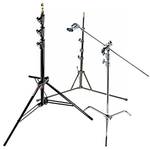
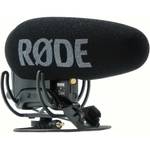
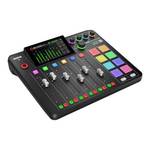
A cinema camera is at its best when paired with gear that supports stability, sound, power, and monitoring across different production styles. Strengthen your filming setup with these accessories:
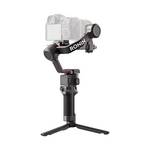
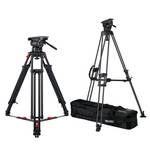
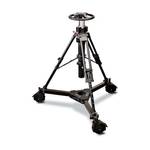
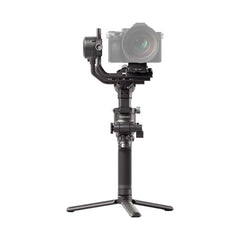
- Tripods or gimbals that keep movement controlled during action or handheld work.
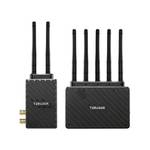
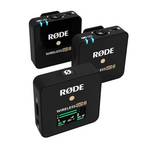
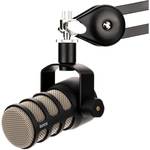
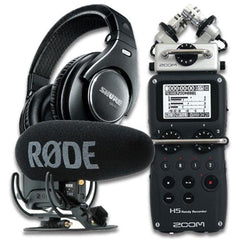
- Shotgun mics or wireless kits that keep dialogue clear when locations get noisy.
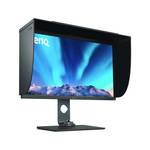
- External monitors that make exposure and focus checks easier on bright days.
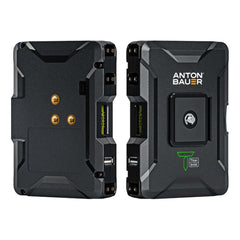
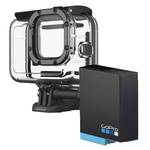
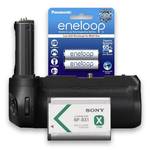
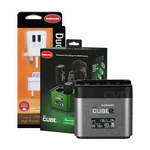
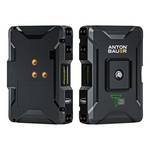
- High-capacity batteries that stop your shoot from grinding to a halt.
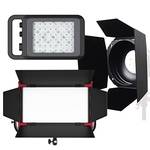
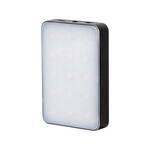
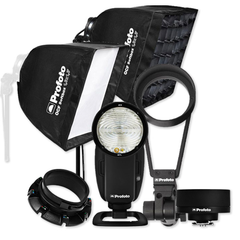
- Compact LED lights that help you shape a scene indoors or outdoors.
A filming camera handles plenty on its own, and the right accessories help it stay flexible across locations and creative needs. Georges carries add-ons that filmmakers use every day on set, so building a reliable kit comes together naturally.
Tips to Help You Shoot Stronger Footage
Shooting with a film camera can be rewarding once you get comfortable with its controls and think ahead about the kind of mood you want each scene to carry. Here are a few pointers that help both beginners and seasoned shooters:
- Set your shutter angle or shutter speed first, so motion feels natural for the scene you’re shooting.
- Lock in a white balance that suits your lighting for consistency across cuts.
- Use manual focus for controlled shots, and trust focus aids when movement picks up.
- Try slow pans or push-ins to add gentle movement without distracting from the moment.
- Keep a small LED light or reflector handy to shape faces during interviews or close-ups.
Get the Gear That Brings Your Vision Into Focus
A film camera can shape your workflow in a big way, and Georges Cameras is here to make the process clearer for creators at any level. Explore the range and reach out if you want guidance building a setup that feels right for your projects.





-v1665700116905.png?500x500&options=w_150)