Condenser Microphones
Condenser microphones are more sensitive and detailed than dynamic microphones. They are often used in studio environments where clarity, nuance and high-frequency detail matter.
They’re commonly used for vocals, acoustic instruments, voiceover and controlled studio recording. However, because they can pick up more room sound, they usually perform best in quieter, treated spaces.
Most condenser XLR microphones require phantom power from an audio interface, mixer or recorder.
Ribbon Microphones
Ribbon microphones are known for their smooth, natural sound and vintage-style character. They are often used in music production, studio vocals, guitar cabinets, brass instruments and more specialised recording environments.
Ribbon microphones can sound beautiful, but they are generally more delicate and require more care than dynamic microphones. They are best suited to users who already understand microphone placement, gain staging and studio handling.
Key Features to Consider
Frequency Response
Frequency response describes the range of sound a microphone can capture and how it represents different frequencies. For voice recording, a microphone with a strong midrange and controlled low end can help speech sound clear, warm and present.
Podcasting and broadcast microphones are often designed to flatter spoken voice, helping vocals feel closer, fuller and easier to listen to. If you’re recording music, instruments or more detailed sound sources, you may want a microphone with a broader, more neutral response.
Sensitivity
Sensitivity refers to how strongly a microphone picks up sound. A highly sensitive microphone can capture fine detail, but it may also capture more room noise. A less sensitive microphone may need more gain, but can be easier to control in untreated spaces.
For podcasting, dynamic XLR microphones are often preferred because they are less sensitive to background sound and more forgiving in everyday rooms.
Build Quality
A good XLR microphone should feel solid, dependable and ready for regular use. Build quality matters if you’re recording frequently, travelling with gear or using the microphone in a studio, podcast desk or production setup.
Look for strong metal construction, a secure XLR connection, reliable mounting options and compatibility with accessories such as boom arms, shock mounts and pop filters.
Recommended XLR Microphones at George’s
Rode PodMic USB and XLR Dynamic Broadcast Microphone
The Rode PodMic USB and XLR Dynamic Broadcast Microphone is a flexible option for creators who want both USB convenience and XLR expandability.
It’s ideal for podcasters, streamers and voice creators who want to start with a simple computer connection but keep the option to upgrade into an audio interface or mixer later. Its dynamic broadcast-style design makes it a strong choice for clear, focused vocal recording.
Shure Dynamic Broadcast Voice-Over Microphone
The Shure Dynamic Broadcast Voice-Over Microphone is designed for spoken voice, broadcast and professional vocal applications.
With a dynamic design and cardioid pickup pattern, it is well suited to voiceover, podcasting, radio-style recording and studio speech work. It’s a strong option for creators who want a proven broadcast-style microphone for focused vocal capture.
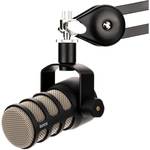
Rode PodMic Dynamic Podcasting Microphone
The Rode PodMic Dynamic Podcasting Microphone is a dedicated XLR podcast microphone designed for rich, clear spoken-word recording.
It’s a practical choice for podcasters, interviewers, streamers and creators building an XLR-based recording setup. Pair it with an audio interface, boom arm and headphones for a reliable home or studio podcast workflow.
How to Choose the Right XLR Microphone
The best XLR microphone depends on your voice, recording space and setup.
For podcasting in a bedroom, office or untreated room, a dynamic XLR microphone is usually the safest choice. It helps focus on your voice and reduces the amount of unwanted room sound.
For voiceover in a treated studio, a condenser microphone may be worth considering if you want extra detail and sensitivity.
For music and specialised recording, dynamic, condenser and ribbon microphones can all have a place depending on the source and sound you want.
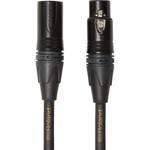
One of the professional benefits of XLR is the use of balanced cables. Balanced XLR connections help reduce electrical interference and unwanted noise, especially over longer cable runs, making them useful for studios, live setups and more complex recording environments.
When choosing an XLR microphone, consider:
- Your main use: podcasting, voiceover, streaming, music or live sound
- Your recording space and background noise
- Whether you already have an audio interface or mixer
- Whether the microphone needs phantom power
- Your preferred sound: warm, detailed, broadcast-style or natural
- Compatibility with boom arms, stands and pop filters
- Budget and future upgrade plans
If you’re not sure which microphone suits your setup, the George’s Cameras team can help you compare options and build a recording chain that works for the way you create.
Explore XLR Microphones at George’s Cameras
Whether you’re launching a podcast, upgrading your voiceover setup, building a studio desk or improving your livestream audio, George’s Cameras has XLR microphone options to help you sound clearer and more professional.
Shop online or visit us in Sydney for friendly advice from a team that understands creator audio, podcasting gear and the details that make every recording feel more polished.


-v1665700116905.png?500x500&options=w_150)