








Canon G7X Mark III vs Sony, Panasonic, Ricoh & Fujifilm: Best Compact Cameras 2025
|
|
Time to read 4 min





-v1665700116905.png?500x500&options=w_150)






|
|
Time to read 4 min
You’re not imagining it – the Canon G7X Mark III is almost impossible to just “walk in and buy” right now. Wait times can stretch from a few weeks to a few months depending on where you land in Canon’s queue, simply because demand is through the roof. The big question is: do you sit tight and hope your preorder arrives before your next trip, or look at other compact cameras that can give you a similar (or better) result without the wait? In this guide, we’ll break down how the G7X Mark III stacks up against its main rivals, and which options are actually worth your money if you need a camera in your hands sooner.
Phones are brilliant… until they’re not. Tiny sensors and heavy processing make great daylight snaps, but when the light drops, the subject moves, or you want real background blur, a camera wins: bigger sensors, honest glass, fast autofocus, proper controls, an EVF or screen you can trust, and batteries that last the day. It’s the difference between “looks fine on Instagram” and “yep, frame that.”
That’s exactly why the Canon G7X Mark III has become the compact everyone asks for. It hits the early-2000s digicam look with a clean, punchy flash, has a bright zoom lens that handles low light better than a phone, a flip-up screen for selfies and vlogging, and it still fits in a small bag. For a lot of creators, travellers and everyday shooters, it’s the simple answer: one camera that does a bit of everything and looks good doing it. The catch, as we’ve already covered, is the wait list.
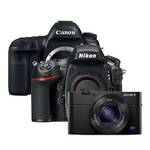
And this is where the alternatives come in. Not everyone needs the exact G7X recipe, and there are some very strong compact options from Sony, Panasonic, Ricoh and Fujifilm that can match (or beat) it in certain areas. Some give you more zoom, some give you sharper lenses, some lean into a more “film-like” look, and others are built first and foremost for YouTube and vlogging. They’re smaller than a full camera kit, more capable than a phone, and most importantly, actually available to buy.
Short version: start with how you shoot, not the hype. Do you care more about that flash-on-the-beach digicam aesthetic, all-day travel vlogs, or having the sharpest possible stills? Once you know that, it becomes much easier to decide whether the G7X Mark III is worth the wait, or whether one of its compact rivals is the better fit. Tell us your subjects, conditions and budget, and we’ll point you to the compact camera that will make your photos look the way you want—without paying for features you’ll never touch.
Best for: travellers, vloggers, party/flash aesthetic, everyday carry.
Why it wins: small body, flip screen you can trust, punchy colour and a pop-up flash that nails that early-2000s “on-camera flash” vibe in daylight or low light. It balances background exposure nicely so faces don’t look blown out.
Trade-offs: no EVF; demand often outstrips supply.
Pro tip: force flash “ON” in daylight, dial exposure comp to –0.3/–0.7 for that crisp digicam look. Keep ISO capped to hold colour.
Best for: creators who want the smallest, most capable pocket rig; street/travel where speed matters.
Why it wins: quick AF, sharp zoom, pop-up EVF for bright conditions, responsive handling. Great when you’re moving fast and don’t want to miss focus.
Trade-offs: premium price; built-in flash is subtler, so stay closer for that “flash pop.”
Pro tip: use the EVF outdoors for steadier framing; set a fast minimum shutter for action and let Auto ISO float.
Best for: holidays, sightseeing, “one camera for the day” with a zoom that actually gets you there.
Why it wins: big zoom range at a friendlier price, easy to use, delivers that fun “old-school digi” aesthetic if you want it.
Trade-offs: larger body than the others; flash placement/UI won’t suit everyone; less low-light punch than Canon.
Pro tip: lean on the zoom—step back, compress backgrounds, and shoot at the long end for flattering portraits and details.
Best for: minimal setups, street, travel storytelling, experienced shooters who value file quality over features.
Why it wins: pocketable prime with crisp files and natural rendering; encourages composition and timing over “spray and pray.”
Trade-offs: no zoom, no flip screen; rewards a bit of technique.
Pro tip: set Snap Focus/zone focus for instant street captures; shoot RAW and apply a consistent profile for coherent sets.
Best for: casual shooting with character, social content, colour-driven storytelling.
Why it wins: Fuji film simulations deliver stylised looks straight out of camera; fun to use and easy to share.
Trade-offs: smaller screen and a gentler flash; more “vibe machine” than tech monster.
Pro tip: pick one or two film sims you love (e.g., Classic Neg, Nostalgic Neg), lock them in, and focus on light and moment.
• Want the safe “does everything” pocket? Canon G7X III.
• Need the most tech in the smallest body? Sony RX100 VII.
• Holiday hero with real zoom? Panasonic TZ99.
• Highest image quality in the smallest street kit? Ricoh GR4.
• Creative colours and fun, film-style output? Fujifilm X-Half.
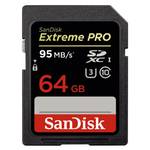
• Fast UHS-I/II card (don’t bottleneck burst or video).
• Slim wrist strap (you’ll shoot more because it’s always in hand).
• Pocket LED or clip-on diffuser (clean up skin tones at night).
• Mini tripod/handle (self-shooting and low-light).
If you’re torn between two, tell us what you shoot (travel, parties, street, YouTube, family, fashion) and your budget. We’ll steer you to the right fit and set you up with the small accessories that actually move the needle. Sydney Click & Collect (CBD/Chatswood), phone or live chat—real advice from working shooters.


