


-v1665700116905.png?500x500&options=w_150)

































The End of the Generator? Hands-on with the DJI Power 2000
We’ve all been there: you’re on a remote shoot, beautiful location, but you’re either scrambling to find a power outlet or lugging a massive, noisy petrol generator through the bush. We’ve been testing the DJI Power 2000 on actual productions to see if it can truly replace the traditional generator. Can you really power an entire film shoot with no outlets and no compromises? Let’s dive into the specs.
What’s Under the Hood of the DJI Power 2000?
The DJI Power 2000 is built around a massive 2048 watt-hour lithium battery, delivering a consistent output of 3000W. For the gear geeks out there, that means it isn't just for charging phones; it’s for running high-draw production equipment.
The IO (Inputs & Outputs):
4x AC Outlets (15 Amp): Standard Australian plugs for your heavy-duty gear.
4x USB-C Ports: High-speed charging for laptops and cameras.
4x USB-A Ports: For everything else.
2x SDC Plugs: These are DJI-specific and allow for incredibly fast charging of DJI drone batteries.
At 22kg, it’s not exactly "light," but it is remarkably compact for the amount of juice it provides. While it’s not something you’d want to carry on a 10km hike, the sturdy built-in handles make it easy to move from the van to the set.
Real-World Performance: Silent Power
The biggest "aha!" moment during our testing was the silence. If you’re recording audio on-set, a petrol generator is your worst enemy—it has to be hidden far away behind long cables. The DJI Power 2000 is completely silent.
In our field test, we powered two 600W lights for over six hours. While those were running, we were also charging camera batteries and running monitors. Even after a full day of shooting, we still had power left in the tank.
The Ecosystem: DJI Home App
One feature we really appreciated is the integration with the DJI Home App. You can monitor the battery status, internal temperature, and exactly how much power is being drawn from each individual port. It even gives you a precise "time remaining" estimate, which is a lifesaver when you're planning your shoot schedule around a lunch break.
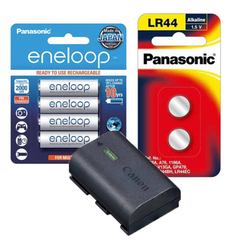
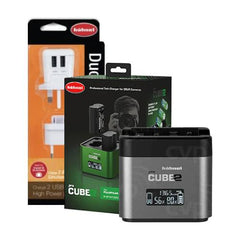
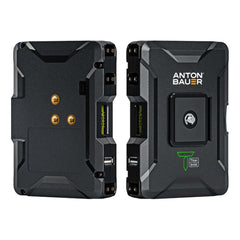
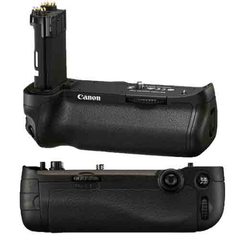
DJI Power 2000 and Recommended Accessories
Charging Options: No Mains? No Problem.
While it charges from a standard wall outlet (0-80% in about 45 mins), this unit shines when you’re off the grid:
Solar: Using the Solar Superfast Charger module, you can connect up to three solar panels (DJI or 3rd party) for up to 1200W of solar input.
Car Charging: You can charge via a 12V/24V car socket, though this is significantly slower.
Daisy Chaining: For the true power-hungry users, you can actually daisy-chain up to ten batteries for a staggering 22,500Wh of power.
Is it Worth the Investment?
At roughly $2,500, it’s a serious investment. If you’re a casual weekend shooter, it might be overkill. However, for professional filmmakers, event photographers, or even tradies working on remote sites, the cost-to-benefit ratio is strong. When you factor in the 4,000-cycle battery life (which DJI says equals about 10 years of daily use) and the money saved on fuel, the investment starts to make a lot of sense.
The Verdict
The DJI Power 2000 delivers on its promises. It’s a genuine long-term investment for anyone who needs silent, consistent power in the field. It’s heavy, and it’s not cheap, but it’s a game-changer for production workflow.