


-v1665700116905.png?500x500&options=w_150)





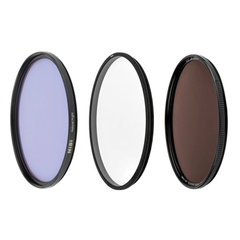





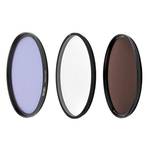




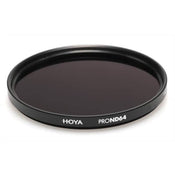
Hoya Pro ND64 (6 Stops Light Loss) Filter - 52mm
The PROND64 has a 6-stop light reduction equal to an ND optical density of 1.8.
The ACCU-ND technology in the Hoya PROND filters yields a truly neutral colour balance that will not add any noticeable colour-cast to your images. The Hoya PROND series is aimed at the still photography and HDSLR video markets. The series provides 10 filters from one stop to 10 stop light reduction.
The Metallic ACCU-ND coating on the PROND filters does not colour shift as you move from one density to the next, a common problem with other series of neutral density filters. Now you can set your white balance once and have the same colour balance even if you need to change filters due to changes in lighting, or for creative effect.
The PROND filters use Hoya’s exclusive clear optical glass that has a metallic ACCU-ND coating front and back to create the neutral density affect.
Neutral density filters are designed to reduce the amount of light entering your camera lens and should not have any other effect on the image. Reducing the amount of light allows for the use of wider apertures or slower shutter speeds for creative and dramatic effect in bright lighting conditions.
Price Match
Fill out the price match form below, and we will be in touch shortly.
Price Match
Fill out the price match form below, and we will be in touch shortly.
 If you'd like to know when it's due, we're here to help!
 Call us during business hours at 02 9299 0177.
 Chat live with our team on-site.
 Or email us anytime at info@georges.com.au with the subject "Awaiting Arrival"
Checking availability...
Product Overview
The PROND64 has a 6-stop light reduction equal to an ND optical density of 1.8.
The ACCU-ND technology in the Hoya PROND filters yields a truly neutral colour balance that will not add any noticeable colour-cast to your images. The Hoya PROND series is aimed at the still photography and HDSLR video markets. The series provides 10 filters from one stop to 10 stop light reduction.
The Metallic ACCU-ND coating on the PROND filters does not colour shift as you move from one density to the next, a common problem with other series of neutral density filters. Now you can set your white balance once and have the same colour balance even if you need to change filters due to changes in lighting, or for creative effect.
The PROND filters use Hoya’s exclusive clear optical glass that has a metallic ACCU-ND coating front and back to create the neutral density affect.
Neutral density filters are designed to reduce the amount of light entering your camera lens and should not have any other effect on the image. Reducing the amount of light allows for the use of wider apertures or slower shutter speeds for creative and dramatic effect in bright lighting conditions.

Need advice?
Speak to one of our dedicated Australian-based sales team members.
Price Match
Fill out the price match form below, and we will be in touch shortly.
Price Match
Fill out the price match form below, and we will be in touch shortly.
Product Reviews
Blog posts

How We Lit Karla Spetic's Australian Fashion Week Show with P...
We were invited by Karla Spetic to help light her runway, we chose Profoto's new LED lights for the job!
View post
Sony A7R VI First Thoughts: A Portrait Photographer’s Take on...
Sony has just launched the new Sony A7R VI, the latest camera in its high-resolution Alpha line, and I was lucky enough to spend some time with it earlier this week. I...
View post
Mobile Podcasting Setups Explained: From First Rig to Full Pr...
Mobile podcasting isn’t about shortcuts. It’s about picking gear that actually works, in the places podcasts actually happen. I used to chase the “best” setup. Turns out, the best setup is the...
View post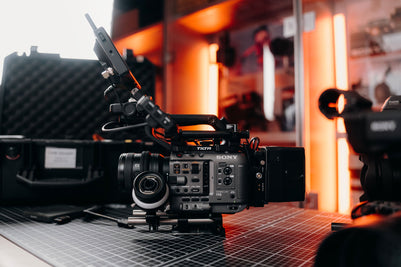
Rigging Up Your Sony Cinema Camera
Rigging gets a bad rap because a lot of rigs are built backwards. People buy parts first, bolt everything on, and end up with a camera that looks serious but shoots worse....
View post
What Makes a Good Photographer? A Portfolio Deconstruction
Clyde Vaughan Guest post by Clyde Vaughan — ahead of Clyde's talk on January 22: “How to create incredible images: A talk by Clyde Vaughan”. If you ask “what makes a good...
View post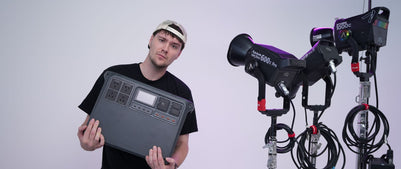
The End of the Generator? Hands-on with the DJI Power 2000
We’ve all been there: you’re on a remote shoot, beautiful location, but you’re either scrambling to find a power outlet or lugging a massive, noisy petrol generator through the bush. We’ve been...
View post
Why 2026 Might be the year to change from DSLR to Mirrorless
Alright—let’s do the DSLR vs mirrorless thing properly. Not “on paper”, not “in theory”, but head-to-head on the stuff that actually matters when you’re out shooting. My name's Oliver Minnett, I'm Georges...
View post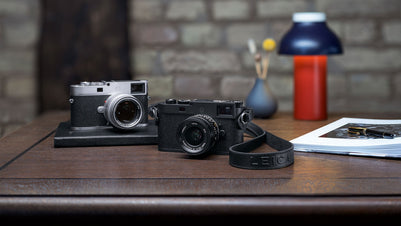
Leica is now at Georges Cameras
Some cameras don’t just document your life; they become part of it. I bought a Leica M6 in 2012. Photography had always been a part of my life; my dad had run...
View post
5 Things to Know Before You Upgrade Your Camera
Upgrading your camera? Learn the 5 things that matter: sensor size, ergonomics, lenses, power/media, and colour/screens—so you can choose the right camera with confidence.
View post
Canon G7X Mark III vs Sony, Panasonic, Ricoh & Fujifilm: Best...
Looking beyond the Canon G7X Mark III? We compare the best compact cameras from Sony, Panasonic, Ricoh and Fujifilm to help you choose the right model for 2025.
View post


