Shop By Brand
Canon
Canon full-frame mirrorless cameras are popular with photographers and videographers who value colour, handling, lens quality and dependable hybrid performance. Canon’s EOS R system offers a strong pathway for creators moving into professional stills and video work.
Explore options like the Canon EOS R6 Mark III Body Only, designed for creators who want a capable full-frame body for demanding everyday use.
The Canon EOS R6 Mark II Mirrorless Digital Camera with RF 24-105mm f/4 L Lens is a strong kit option for photographers who want a versatile lens included from the start.
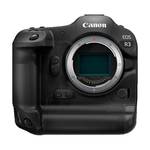
For high-end creative work, the Canon EOS R5 II Mirrorless Camera Body Only is suited to photographers and filmmakers who need advanced performance in a professional system.
Sony
Sony is one of the most recognised names in full-frame mirrorless photography. Its Alpha range is widely used by hybrid creators, portrait photographers, wedding shooters, commercial teams, filmmakers and content creators.
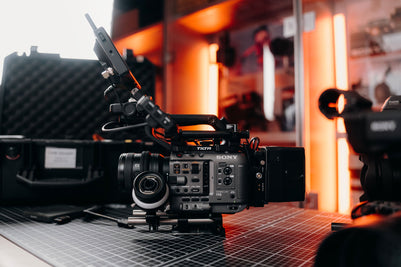
The Sony A7 V Mirrorless Digital Camera Body Only is designed for creators looking for a powerful full-frame camera body with strong stills and video potential.
The Sony A7 IV Mirrorless Digital Camera Body Only remains a popular full-frame mirrorless option for photographers and videographers who want a balanced, reliable all-rounder.
Nikon
Nikon full-frame mirrorless cameras are known for excellent image quality, comfortable handling and strong photographic heritage. Nikon Z series cameras are well suited to portrait, landscape, wildlife, travel and professional work, supported by a growing range of Z mount lenses.
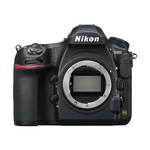
For photographers who love Nikon’s colour, ergonomics and lens performance, a full-frame mirrorless Nikon body can be a natural upgrade path from DSLR or APS-C systems.
Panasonic
Panasonic full-frame mirrorless cameras are especially popular with hybrid creators and videographers. The Lumix S series is known for strong video tools, robust build quality and practical features for content production, interviews, documentary work and filmmaking.
For creators who prioritise video as much as stills, Panasonic is a strong brand to consider.
Sigma
Sigma is best known for its high-quality lenses, including options for full-frame mirrorless systems. Sigma lenses are popular with photographers who want sharp optics, creative focal lengths and excellent value across portrait, travel, landscape, video and everyday shooting.
For anyone building a full-frame mirrorless kit, Sigma lenses can be a smart way to expand your creative options.
Key Features to Consider
Image Quality
The biggest reason many photographers move to a full-frame camera is image quality. A larger sensor can capture more light, support stronger dynamic range and create cleaner images in challenging conditions.
Full-frame cameras are also excellent for achieving shallow depth of field, where your subject stays sharp while the background falls beautifully out of focus. This is especially useful for portraits, weddings, product photography and cinematic video.
Video Capabilities
Modern full-frame mirrorless cameras are powerful hybrid tools. Many offer advanced video features such as 4K recording, high frame rate options, log profiles, improved autofocus and professional connectivity.
For videographers, content creators and filmmakers, a full frame mirrorless camera can deliver a polished look while still being compact enough for handheld shooting, gimbal work and travel.
Autofocus Systems
Fast, accurate autofocus can make a huge difference, especially when photographing people, animals, sport, events or moving subjects. Many modern mirrorless cameras include intelligent subject detection, eye autofocus and advanced tracking.
This helps creators work more confidently in fast-moving situations, whether shooting a wedding aisle, a performer on stage, a child at play or a talking-head video.
Lens Compatibility
A camera body is only part of the system. Lens choice affects your framing, sharpness, background blur, low-light performance and overall creative style.
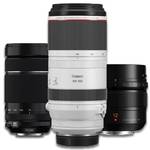
Full-frame mirrorless systems offer a wide range of lens options, from compact primes and everyday zooms to professional telephoto lenses, macro lenses, wide-angle lenses and cinema-focused glass.
Before choosing a body, it’s worth thinking about the lenses you’ll want now and in the future.
Customer Reviews and Ratings
Customer reviews can be incredibly helpful when choosing a full-frame camera. Specs tell part of the story, but real-world feedback can reveal how a camera feels to use, how reliable the autofocus is, how long the battery lasts and how well it fits different shooting styles.
Before you buy, we recommend reading reviews on the models you’re considering and thinking about your own priorities. A camera that’s perfect for studio portraits may not be the same one you’d choose for travel, wildlife or video-heavy work.
After purchasing, leaving a review can also help other creators make a more confident decision.
Buying Guide for Full-Frame Mirrorless Cameras
Choosing the Right Camera for Your Needs
The best full frame mirrorless camera depends on what you shoot most.
For portrait photography, look for strong autofocus, beautiful colour, good dynamic range and access to fast prime lenses.
For landscape photography, resolution, dynamic range, weather-sealing and lens quality are all important.
For weddings and events, you’ll want reliable autofocus, strong low-light performance, dual card slots where available and comfortable handling for long shooting days.
For video and content creation, consider recording formats, stabilisation, autofocus, audio inputs, screen design and heat management.
For travel photography, think about weight, battery life, lens size and how portable the overall kit will be.
If you’re upgrading from a crop-sensor system, remember that full-frame cameras may also mean investing in compatible full-frame lenses.
Accessories to Consider
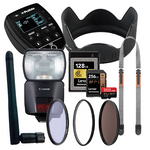
A full-frame camera is even more capable with the right accessories. Depending on how you shoot, you may want to consider:
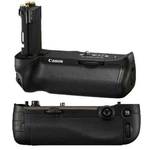
- Extra batteries and chargers
- Full-frame compatible lenses
- Fast memory cards
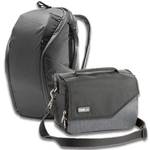
- Camera bags and protective cases
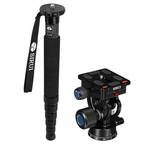
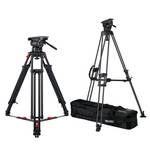
- Tripods or monopods
- Lens filters
- External microphones
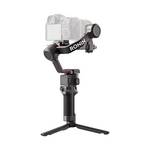
- Gimbals for video
- Camera straps
- Cleaning kits
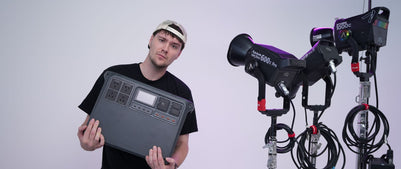
For video creators, accessories like microphones, lights, cages and stabilisers can help build a more complete production setup. For photographers, lenses, filters and support gear can make a big difference to the final image.
Explore Full-Frame Mirrorless Cameras at George’s
A full-frame mirrorless camera is a powerful step forward for creators who want more quality, flexibility and control. Whether you’re upgrading your first serious camera, moving into professional work or building a hybrid photo and video kit, George’s Cameras is here to help.
Explore our range online or visit us in Sydney for friendly, practical advice from a team that understands photography, filmmaking and the gear that helps bring creative ideas to life.


-v1665700116905.png?500x500&options=w_150)