













































Fujifilm X100VI Mirrorless Camera
What's included (1)
Checking availability...
Availability
- Availability: In stock (1 - 2 days)
- Express insured: $15.95 (1-4 days)
- Standard insured: $9.90 (3-7 days)
Price Match
Fill out the price match form below, and we will be in touch shortly.

Price Match
Fill out the price match form below, and we will be in touch shortly.
If you'd like to know when it's due, we're here to help!
Call us during business hours at 02 9299 0177.
Chat live with our team on-site.
Or email us anytime at info@georges.com.au with the subject "Awaiting Arrival"Recommended accessories
View all
$179.00$239.00
$35.00$59.00
Product Overview
Fujifilm X100VI Mirrorless Camera
2011 seems so long ago since Fujifilm sparked interest in a humble mirrorless rangefinder called the X100. Fast forward six generations, thirteen years, and the X100VI has been announced, reigniting the fanfare of all new and previous X100, X100S, X100T, X100F and X100V owners.
As a rangefinder, the X100VI mirrorless camera continues the theme of being a welcome reprieve to DSLR and mirrorless shooters looking to retire their system cameras for a day, year or for good. Plus, in the new camera, there's a whole lot more we'll cover in our latest video and extended article, which dives deep into the imaging capabilities, autofocus, video functionality, stabilisation, connectivity, film simulations and the range of must-have accessories.
To put the X100VI camera through its paces, Andrew spent some time with Fujifilm Australia's Charlie Blevins, and the results were amazing.
Our Georges Review!
Advanced Imaging Capabilities
As a general rule of thumb, it's always a good idea to find out what's inside the camera, fueling the speed and image quality. Fortunately for Fujifilm, their reputation in supplying quality electronics in this sixth-generation model isn't at fault.
At the heart of the X100VI lies the same X-T5 sensor, a 40.2MP BSI X-Trans CMOS 5 HR beast powered by the X-Processor 5, making this a sure bet for the highest image quality and accurate focus. As a result, photographers and now filmmakers can easily capture every nuance of their subjects with precision in almost any lighting condition thanks to the sensor's backside-illuminated design, which enhances low-light performance.
Enhanced Video Tracking Capabilities
Building upon its cutting-edge autofocus technology, the X100VI introduces a seamless integration of subject tracking within its video recording functionalities. By employing the AF-C (Continuous Autofocus) mode in tandem with the Wide/Tracking autofocus setting, users are afforded the luxury of simply selecting their desired subject directly on the rear LCD screen. Once selected, the X100VI diligently maintains focus on the chosen object, adeptly handling scenarios where the scene is populated with multiple moving subjects.
This focus advancement not only simplifies the process of capturing videos in complex environments but also elevates the quality of the footage by ensuring the main subject remains in sharp focus throughout the recording. This feature is particularly beneficial in dynamic settings where the subject's movement is unpredictable, mirroring the camera's prowess in still photography to its video capabilities.
Expanded Video Functionality
Expanding its creative versatility, the X100VI boasts impressive video capabilities, including a higher 6.2K/30p for fluid movement and 4K/60p for capturing faster action at broadcast quality. If you plan on using the X100VI as a second shooter, you will have the capability to record internally at 4:2:2 10-bit, ensuring there's greater control over quality and colour grading when post-processing.
Enhanced Stability with IBIS
Something many X100 users have been waiting for is the in-build Image Stabilisation, or IBIS for short. Fortunately, the wait is over, as this sixth-generation camera is capable of up to six stops of compensation, making handheld shooting the new standard. The onboard IBIS feature will now significantly reduce camera shake, ensuring you gain the sharpest images and smoothest video footage without the need for a tripod or monopod. Plus, you'll find this a handy tool when shooting in low-light conditions or when using slow shutter speeds.
Seamless Connectivity
With the X100VI, connectivity reaches new heights. Gone are the days of getting frustrated trying to connect your X Series camera to the Fujifilm Camera Remote app. Now, the New Fujifilm XApp shares content seamlessly. The setup is simple and easy; if you are unsure how to do this, speak to one of Georges's team, and we can take you through the process.
In addition to the smarter XApp connectivity, the Fujifilm X100VI is the world's first camera to integrate the frame.io camera to the cloud natively.
Creative Expression Through Film Simulations
If you're an avid fan of Fujifilm colours, then the 20 film simulation modes tick all the right boxes. These simulations offer photographers a broad palette for creative expression, allowing for stunning results straight out of the camera. From the vivid colours of Velvia to the classic tones of Acros, the X100VI encourages artistic exploration.
The X100VI's suite of 20 Film Simulation modes is a tribute to Fujifilm's 90-year legacy in colour science, digitally embodying the essence of classic photographic film stocks. This collection now includes the Reala Ace mode, a testament to Fujifilm's innovative approach to colour reproduction. These modes not only replicate the iconic colours and tones Fujifilm is celebrated for but also empower photographers to infuse their work with distinct artistic qualities, paving the way for the creation of a unique photographic legacy.
Fujifilm's colour science has adeptly transitioned the nuanced art of film image quality design into the digital realm, a journey that began with the inception of film simulation in 2004. This digital alchemy offers photographers the thrill of film photography, sparking creativity and broadening the horizons of photographic expression. It encapsulates the company's foundational commitment to image quality, marrying the unpredictability and character of film photography with the precision and flexibility of digital imaging.
The X100VI's film simulations span a wide array of photographic styles and preferences. The Provia/Standard mode, modelled after Fujichrome Provia, offers balanced colour reproduction for a broad spectrum of subjects, embodying versatility. Velvia/Vivid, inspired by the ultra-vivid Fujichrome Velvia, delivers richer and more saturated colours, making it a go-to choice for landscape photographers seeking intensity and contrast.
Astia/Soft, based on Fujichrome Astia, is tailored for fashion and portrait photography, prioritising the soft and authentic reproduction of skin tones while enhancing the vividness of skies and foliage. Classic Chrome mimics the muted tones and stark contrasts found in 20th-century documentary photography, perfect for capturing the grit and realism of the human condition. Reala Ace, the latest addition, offers a balanced reproduction of colours with pronounced tonality, adaptable to various subjects and lighting conditions.
For portrait photographers, Pro Neg. Hi, derived from PRO160NH film, provides a subtle emphasis on shadows in challenging lighting, ensuring depth and definition. Classic Neg., based on Superia film, introduces a high-contrast aesthetic that adjusts colour tones for added depth, making it ideal for dynamic and expressive imagery. Nostalgic Neg. aims to replicate the warmth and emotion of vintage photographs, with rich shadow colours and softened midtones and highlights.
Acros, renowned for its super-fine grain and rich detail, brings the textured nuances of monochrome photography to life, making it an excellent choice for those who appreciate the timeless quality of black-and-white imagery. Eterna/Cinema, designed for the silver screen, offers a subdued palette and gentle tonal gradation, ideal for achieving cinematic quality in stills.
Beyond these film simulations, the X100VI extends creative possibilities with additional features like film grain effects, allowing for the emulation of traditional high-ISO textures, and the Colour Chrome Effect, which enhances vibrancy and detail in saturated colours. These tools, together with the ability to fine-tune colour depth, clarity, and tonal contrasts, invite photographers to fully customise their visual storytelling, ensuring that each image captured with the X100VI is a distinct piece of art.
Final Thoughts
If you have been looking to upgrade from a previous X100 series camera, then this model will be a welcome arrival. The combination of increased resolution, improvements in autofocus, body design, video recording, stabilisation, connectivity, and creative expression all work together to ensure this is a complete package. You'll find the lightweight form makes this an exceptionally great fit if you plan on using it for capturing travels, documenting events, scenes on the street, or real-world events as a photojournalist. There are multiple colours available, so ensure you place your order early to avoid disappointment.
Key Features:
40.2MP BSI X-Trans CMOS 5 HR Sensor
Accurate Focus and High Image Quality
AI AF Subject Detection and Eye Tracking
6.2K/30p, 4K/60p Movie & Internal Recording
Up to 6.0 Stops IBIS
Connect, Share, and Transfer with XApp
20 Film Simulations for Creative Results
What's in the box:
Fujifilm X100VI Mirrorless Camera
Fujifilm Li-ion battery NP-W126S
Fujifilm USB Cable
Fujifilm Shoulder Strap
Fujifilm Lens Cap
Fujifilm Hot Shoe Cover
Fujifilm X100VI Owner's Manual

Need advice?
Speak to one of our dedicated Australian-based sales team members.
Key Features
40.2 Megapixels
The X100VI's 40.2-megapixel X-Trans CMOS 5 HR sensor, paired with its advanced image-processing algorithm, delivers enhanced resolution without sacrificing signal-to-noise ratio, ensuring sharp, detailed images in various conditions.
6.2k Quality
The X100VI offers advanced video performance in a compact body, recording up to 6.2K at 30p in 10-bit colour. It also supports 4K at 60p and high-speed 1080p at 240p, maximizing video flexibility.
Wi-Fi and Bluetooth
The Fujifilm X100VI features both Wi-Fi and Bluetooth connectivity options.
ISO 160 to 12800
The Fujifilm X100VI has a native ISO range of 160 to 12800 in Auto Mode (Extended: 80 to 51,200).
Electronic Viewfinder
The Fujifilm X100VI is equipped with a built-in Electronic Viewfinder (EVF) featuring OLED technology, boasting a magnification of 0.8x and a resolution of 3.69 million dots.
3.0" LCD Screen
The Fujifilm X100VI Digital Camera features a 3.0-inch tilting touchscreen LCD display with a resolution of 1.62 million dots.
FAQs
What are the main differences between the X100VI and its predecessors?
The Fujifilm X100VI brings several enhancements over its predecessors, including a higher resolution 40.2MP BSI X-Trans CMOS 5 HR sensor, which significantly improves image quality and low-light performance. The autofocus system has also been upgraded for better precision with AI AF subject detection and eye tracking. Additionally, the X100VI introduces in-body image stabilization (IBIS) for reduced camera shake during handheld shooting, which was not available in earlier models. Video capabilities have expanded to include 6.2K video recording, offering higher quality for filmmakers. Overall, these advancements make the X100VI a more versatile tool for both photography and videography.
How does the film simulation feature enhance creative photography?
Fujifilm's film simulation feature allows photographers to emulate the look and feel of classic film stocks, offering a diverse palette for creative expression. With 20 different film simulation modes, including Provia, Velvia, and Acros, photographers can achieve unique colour tones and contrasts directly in-camera, reducing the need for extensive post-processing. The X100VI's simulations reflect Fujifilm's legacy in colour science, enabling users to capture images that resonate with the emotional depth associated with traditional film photography while enjoying the benefits of digital technology.
What advantages does the in-body image stabilization (IBIS) provide?
The in-body image stabilization (IBIS) in the X100VI compensates for camera shake by providing up to six stops of stabilization. This feature is particularly valuable for handheld shooting in low-light conditions, allowing photographers to use slower shutter speeds without risking motion blur. IBIS also enhances video recording by ensuring smoother footage, making it easier to capture dynamic scenes or moving subjects without the need for additional stabilisation equipment. This advancement significantly broadens the shooting possibilities for both stills and video.
Can the X100VI be effectively used for video recording, and what features support this?
Yes, the X100VI is well-equipped for video recording with capabilities such as 6.2K/30p and 4K/60p resolutions, providing high-quality output suitable for various applications. The camera's advanced autofocus system includes subject tracking in video mode, allowing users to select a subject on the LCD screen and maintain focus even in complex scenes. Additionally, the X100VI supports internal recording at 4:2:2 10-bit colour depth, which is beneficial for colour grading in post-production. These features position the X100VI as a powerful option for filmmakers looking for a compact camera.
What is the significance of the XApp connectivity feature?
The new Fujifilm XApp connectivity feature enhances the user experience by simplifying the process of sharing content from the X100VI to mobile devices. It allows photographers to transfer images easily and manage camera settings directly from their smartphones or tablets. Furthermore, the X100VI is the world's first camera to integrate frame.io, enabling seamless cloud-based collaboration for video projects. This advancement reflects Fujifilm's commitment to modern digital workflows, making it easier for creators to share and collaborate on their work.
How does the X100VI perform in low-light conditions?
The X100VI excels in low-light conditions thanks to its 40.2MP BSI X-Trans CMOS 5 HR sensor, which is designed to enhance light sensitivity and reduce noise. The camera's ability to produce high-quality images in dim environments is further supported by the in-body image stabilization (IBIS), allowing for stable handheld shooting even at slower shutter speeds. Additionally, the various film simulations available can help to maintain image quality while capturing the unique atmospheres of low-light scenes, making it a reliable choice for night photography and indoor settings.
What types of accessories are recommended for the X100VI to enhance its functionality?
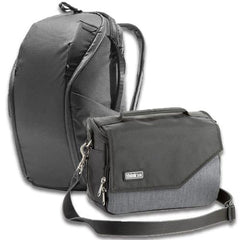
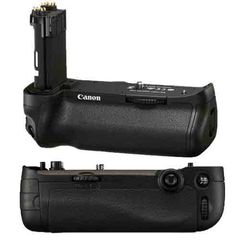
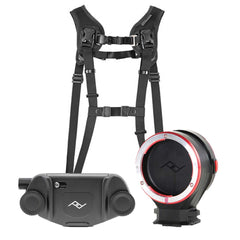
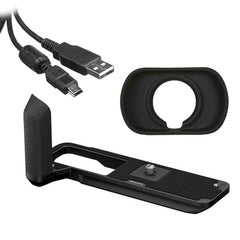
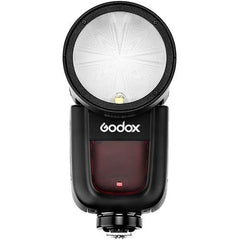
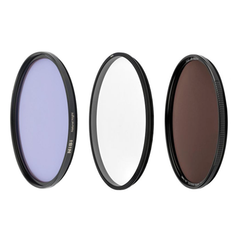
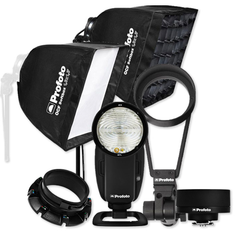
To make the most of the Fujifilm X100VI, several accessories can enhance its usability and creative potential. A protective lens filter can safeguard the lens from scratches and dust. An external flash can improve lighting in challenging conditions. A camera strap can offer comfort during extended shooting sessions. Additionally, investing in extra batteries ensures you can capture more images and videos without interruptions. Finally, a dedicated camera bag will help protect the X100VI and provide easy access to your gear while on the go.

Elevate Your Creativity with the Fujifilm X100VI
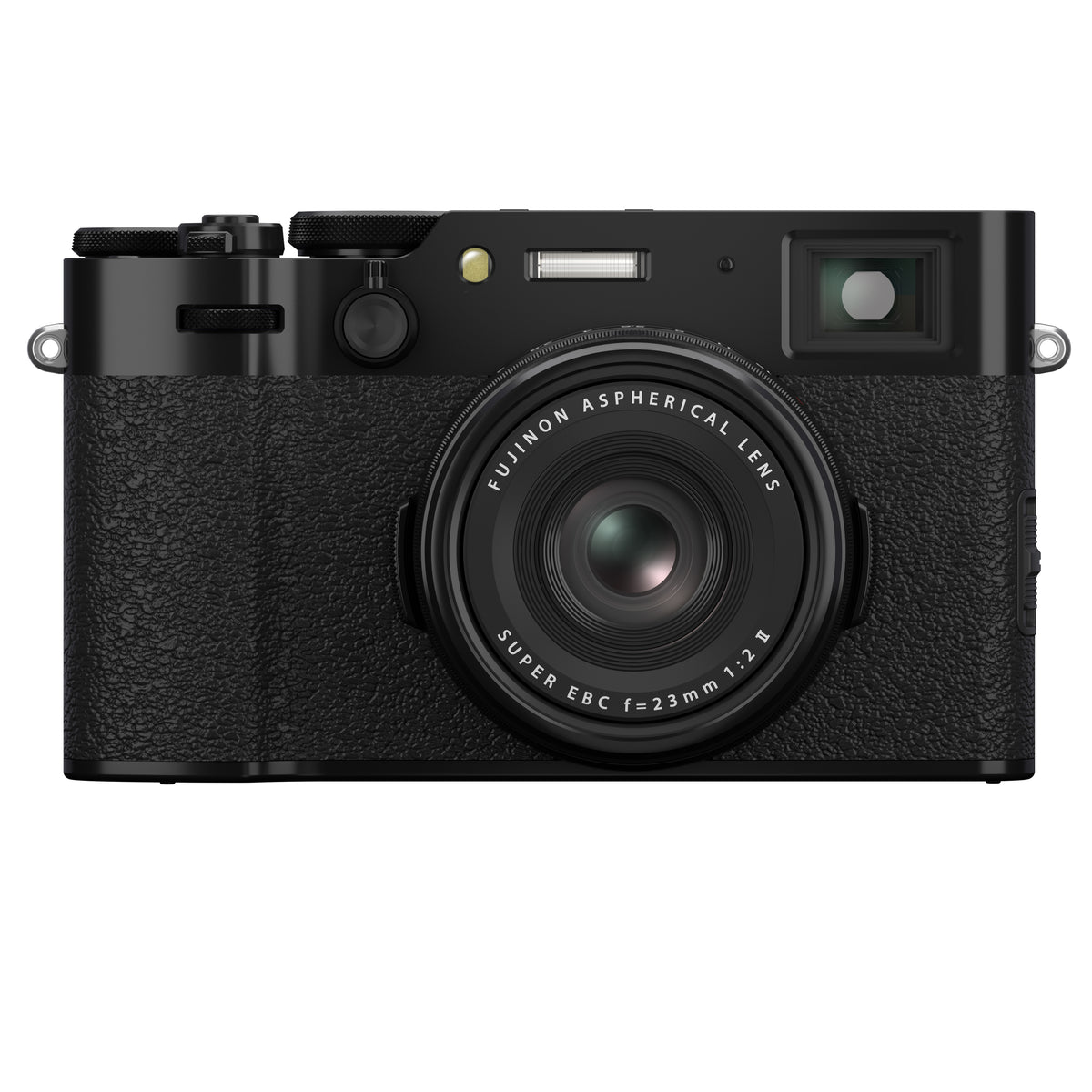
The Fujifilm X100VI's aluminium top-plate, machined dials, and tactile exterior are designed to motivate and encourage creativity every time you pick it up.

Revolutionary Performance with X-Processor 5
The X100VI's X-Processor 5 doubles speed compared to its predecessor, integrating AI technology for efficiency. Supporting HEIF format, it ensures high quality at reduced sizes, lowering power consumption and setting new processing benchmarks.
Experience Optical Precision with the Fujifilm X100VI
The Fujifilm X100VI utilizes the optically precise 23mmF2 lens borrowed from the X100V, which seamlessly complements the 40.2-megapixel sensor, ensuring edge-to-edge sharpness throughout the frame.
Image Gallery
Product Reviews
Recommended Accessories
Blog posts
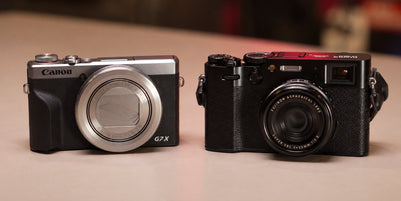
Canon G7 X Mark III vs Fujifilm X100VI: Which Should You Buy?
Compare the Canon PowerShot G7 X Mark III vs Fujifilm X100VI in our real-world camera comparison. Discover the differences in image quality, low-light performance, colour, video features, zoom, and price to find...
View post
Tamron 16-50mm F2.8 vs Sigma 18-50mm F2.8: Which Compact APS-...
If you shoot on an APS-C mirrorless camera and want one lens that stays on the body most of the time, there's a good chance the Sigma 18-50mm F2.8 DC DN Contemporary...
View post
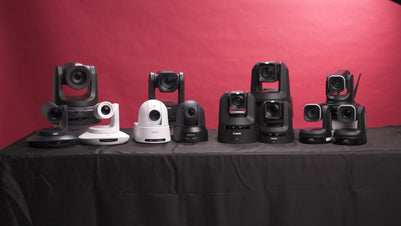
The Ultimate Guide to PTZ Cameras: Choosing the Right Setup f...
Compare Canon, Sony, BirdDog and Telycam PTZ cameras on image quality, tracking, zoom and value. Find the right setup for your production at Georges Cameras.
View post
Beauty Lighting: How to Combine Hard and Soft Light to Make S...
A working beauty photographer’s guide to combining hard and soft light, beauty dish vs softbox, grids, negative fill and a clamshell setup you can copy, for skin that pops.
View post
Everyone Can Take a Picture. Not Everyone Can Hold the Room
What an agent, a Vogue visuals producer and a brand-side creative lead really look for in photographers now. There is a point in almost every creative career where the work alone stops...
View post
Beyond Reach: My Experience With the Fujifilm XF400mmF4.5 Sup...
Explore our hands-on experience with the Fujifilm XF400mmF4.5, covering its sharpness, autofocus, reach and performance for sport, wildlife, landscapes and portraits.
View post
Learn to Get the Shot Right In-Camera
Beauty photography tips from Oliver Minnett’s Georges workshop, covering lighting, direction, working with a creative team, and using Sony and Profoto gear.
View post
Stop Trying to Learn Everything at Once
Beauty photography tips from Oliver Minnett’s Georges workshop, covering lighting, direction, working with a creative team, and using Sony and Profoto gear.
View post
Beauty Photography Tips: Three Things I Wish I Knew Earlier
Beauty photography tips from Oliver Minnett’s Georges workshop, covering lighting, direction, working with a creative team, and using Sony and Profoto gear.
View post
How We Lit Karla Spetic's Australian Fashion Week Show with P...
We were invited by Karla Spetic to help light her runway, we chose Profoto's new LED lights for the job!
View post