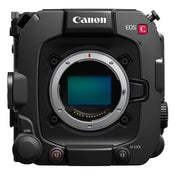
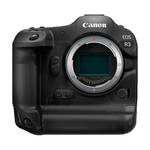







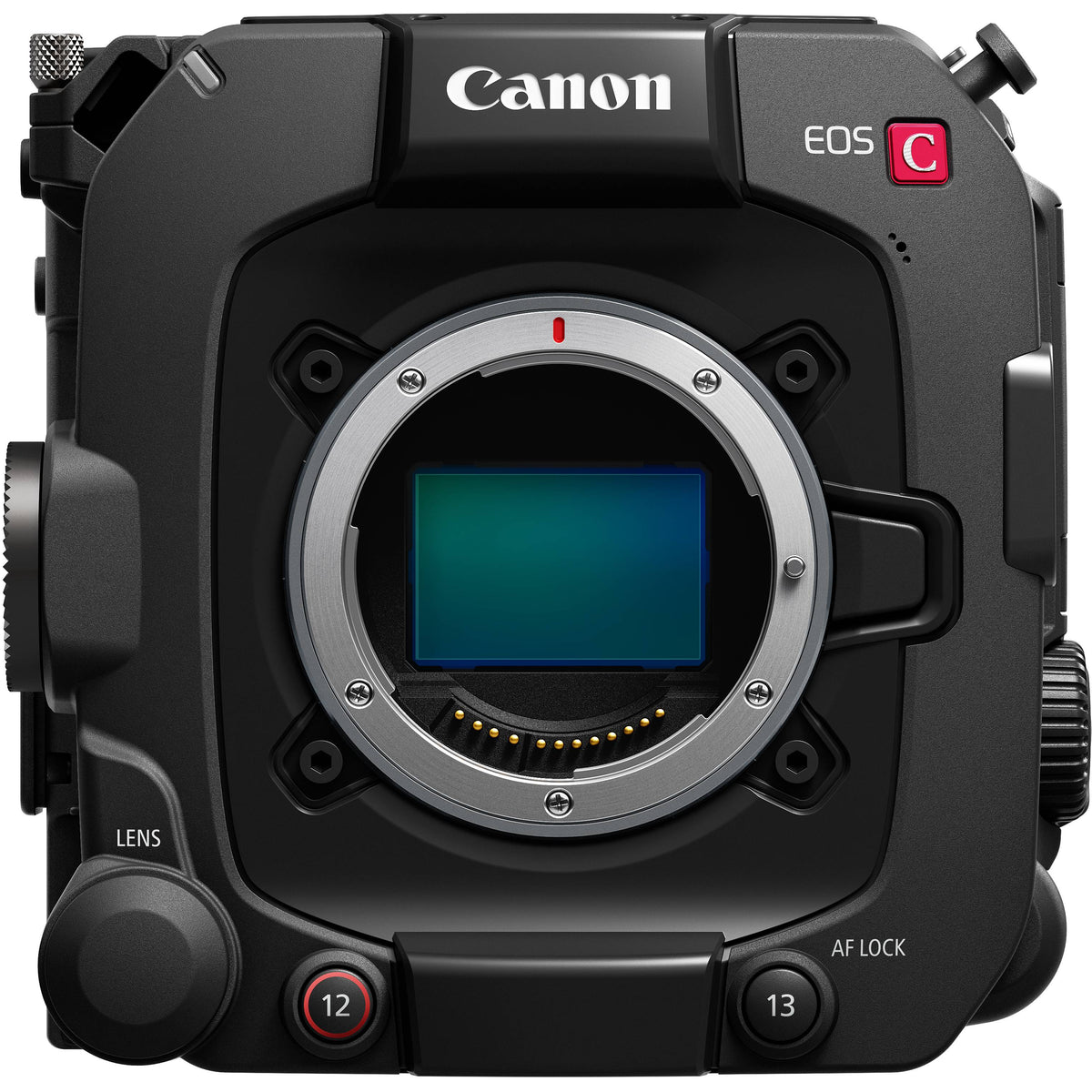
Canon EOS C400 Digital Cinema Camera Body (RF Lens Mount)
What's included (1)
Checking availability...
Availability
- Availability: In-Stock at Warehouse (4 - 8 days)
Available to order, ready to pick up in-store within 4 - 8 days.
- Standard insured: $9.90 (4 - 8 days)
Price Match
Fill out the price match form below, and we will be in touch shortly.

Price Match
Fill out the price match form below, and we will be in touch shortly.
If you'd like to know when it's due, we're here to help!
Call us during business hours at 02 9299 0177.
Chat live with our team on-site.
Or email us anytime at info@georges.com.au with the subject "Awaiting Arrival"Recommended accessories
View all
$17,009.00$17,010.00
$2,654.00$2,655.00
$316.00$399.00
Product Overview
Canon EOS C400 Digital Cinema Camera Body (RF Lens Mount)
RF Lenses for Greater Possibilities
RF lenses enable richly expressive, high-quality imaging. The high-speed communication capabilities of the RF mount makes operation intuitive and stress-free. Co-ordinated control of camera and lens IS via RF mount communication achieves powerful image stabilisation.
6K Full Frame CMOS Sensor
The 6K full-frame back-illuminated stacked CMOS sensor and DIGIC DV7 processor deliver breathtakingly beautiful visuals with support for enhanced 4K image quality with 6K oversampling and wide 16 stop tonality. Full-frame readout is supported along with Super 35mm and Super 16mm modes.
Versatility from Filmmaking to Live Events
EOS C400's combination of high image quality, movie performance, compact size and full range of interfaces for greater operability makes it ideal for shooting in a range of environments from filmmaking to live events
Dual Pixel CMOS AF II with Subject Detection
Dual Pixel CMOS AF II offers advanced high-speed, high-precision AF. Algorithms which utilise deep learning enable high-performance subject detection which provides high-speed AF that captures the subject instantly.
Lineup of Mount Adapters for Compatibility
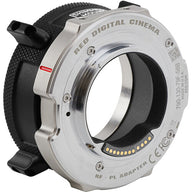
Users can fully utilise their existing EF lenses by attaching an EF-EOS R adapter. PL lenses can also be attached using a new PL-RF mount adapter.
The LCD monitor can be adjusted for shoulder-mounted, handheld and other styles.
Powerful high performance video processing from a dedicated DIGIC DV 7 engine that drives a host of advanced features.
Reduces operator fatigue during long hours of shooting. The EOS C400's compact shape makes it easy to use with gimbals, drones, and rigs.
Canon Log 2 & Canon Log 3
Canon Log 2 & Canon Log 3 are included to ensure a wide dynamic range. Canon Log 2 enables shooting with dynamic range of up to 16 stops
Supports up to 2K 180P and 4K 120P* recording. This lets users capture scenes with fast movement, such as sports and concerts.
Manually choose from three base ISO levels from low to high depending on the scene. The camera also features Auto Selection, which automatically switches from one of the three base ISO levels to another level with a higher S/N ratio while maintaining dynamic range. Plug and Play allows data to be synced with a single cable and no prior calibration required. Lens distortion data is delivered along with other lens operations obtain more natural CG composited images that match and coordinate the real camerawork and the virtual space.
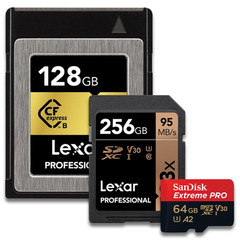
Dual slots for CFexpress and SD cards enable simultaneous recording of XF-AVC, XF-HEVC S, XF-AVC S, and proxy data to an SD card while recording 6K RAW internally to a CFexpress card for faster video editing.
Signature Colour Science
Our colour science is designed to deliver clarity, depth and precision in every frame as well as vibrant true-to-life hues. Uncompromising image quality is at the heart of every Canon cinema camera.
True Versatility
Our C500 Mark II and C300 Mark III have been built with a modular design, making it adaptable for diverse shooting environments. Transition with ease and speed between handheld and studio set-ups. The compact yet powerful EOS R5 C and C70 redefine on-the-go filmmaking, packing high-performance specs into a portable design that is ideal for run-and-gun filmmaking.
Crafted for Reliability
From intense shoots to challenging conditions, our cameras are built to perform, ensuring you never miss moment.
Key Features:
Adjustable Lcd Monitor
Digic Dv 7 Processor
Compact Lightweight Design
4k 120p Recording
Four Base Iso Modes
Virtual Production Support
Simultaneous Recording
What's in the box:
Canon EOS C400 Digital Cinema Camera Body (RF Lens Mount)

Need advice?
Speak to one of our dedicated Australian-based sales team members.
Key Features
19 Megapixels
The Canon EOS C400 Digital Cinema Camera boasts a resolution of 19 effective megapixels.
6K Video Quality
The 6K full-frame back-illuminated CMOS sensor and DIGIC DV7 processor provide stunning visuals, with enhanced 4K quality and wide 16-stop tonality.
Wifi
The Canon EOS C400 Digital Cinema Camera features built-in WiFi connectivity.
ISO 160-25600
The Canon EOS C400 Digital Cinema Camera offers an ISO sensitivity range from 160 to 25600.
3.5" LCD Screen
The Canon EOS C400 Digital Cinema Camera features a 3.5-inch LCD touch panel with 2.76 million dots.
1.54 kg
The Canon EOS C400 Digital Cinema Camera weighs only 1.54 kg.
FAQs
What are the advantages of using RF lenses with the Canon EOS C400?
RF lenses are designed to take full advantage of the Canon EOS C400's advanced features. The high-speed communication between the camera and RF lenses enhances autofocus performance, enabling quick and precise subject tracking. Additionally, the coordination of image stabilisation via RF mount communication results in smoother footage, making it ideal for dynamic shooting scenarios. The optical quality of RF lenses provides richer colours and improved sharpness, ensuring that your visuals are of the highest standard.
How does the Dual Pixel CMOS AF II improve my focus capabilities?
The Dual Pixel CMOS AF II system in the Canon EOS C400 uses advanced deep learning algorithms to enhance subject detection and tracking. This results in high-speed, accurate autofocus that can lock onto moving subjects almost instantaneously. The camera's ability to switch focus seamlessly between subjects allows for more creative storytelling, whether you're capturing sports, live events, or narrative films. This technology significantly reduces the risk of missing critical moments due to focus issues.
Can I use my existing EF lenses with the EOS C400?
Yes, you can use your existing EF lenses with the Canon EOS C400 by attaching an EF-EOS R adapter. This compatibility allows you to leverage your current lens collection while enjoying the advanced features of the RF mount system. Additionally, the PL-RF mount adapter enables the use of PL lenses, providing further versatility in your lens options for various filmmaking needs.
What are the benefits of Canon Log 2 and Canon Log 3 in video production?
Canon Log 2 and Canon Log 3 are designed to capture a wide dynamic range, offering up to 16 stops of tonality. This capability allows for greater flexibility in post-production, helping to maintain detail in both shadows and highlights. Filmmakers can achieve a cinematic look while preserving the nuances of lighting in various conditions. The logs are particularly beneficial in high-contrast scenes, as they provide a more natural colour grading process and enhance the overall visual quality of your footage.
How does the compact design of the EOS C400 enhance its usability?
The compact design of the Canon EOS C400 makes it a versatile tool for a variety of shooting setups, including handheld, gimbal, and drone use. Its lightweight construction reduces operator fatigue during long shooting sessions, while its small footprint allows for easy integration into tight or challenging filming environments. This portability ensures that filmmakers can adapt quickly to changing situations, whether on location or in a studio setting.
What recording formats and options does the EOS C400 support?
The Canon EOS C400 supports multiple recording formats, including XF-AVC, XF-HEVC S, and proxy data, allowing for simultaneous recording to both CFexpress and SD cards. This functionality enables faster video editing workflows since you can record high-quality 6K RAW internally while also capturing proxy files for easy editing. The camera's ability to record in various resolutions, including support for 4K at 120P, makes it suitable for capturing fast-moving scenes such as sports and concerts.
What is the significance of the DIGIC DV7 processor in the EOS C400?
The DIGIC DV7 processor is a crucial component of the Canon EOS C400, as it drives the camera's advanced video processing capabilities. This dedicated processing engine enhances the overall performance, enabling features such as high-speed autofocus, superior image stabilisation, and improved low-light performance. With the DIGIC DV7, users can expect quicker response times, reduced latency, and the ability to handle complex tasks without compromising on image quality.

Unleashing the Power of Dual Pixel CMOS AF II with Advanced Speed and Precision
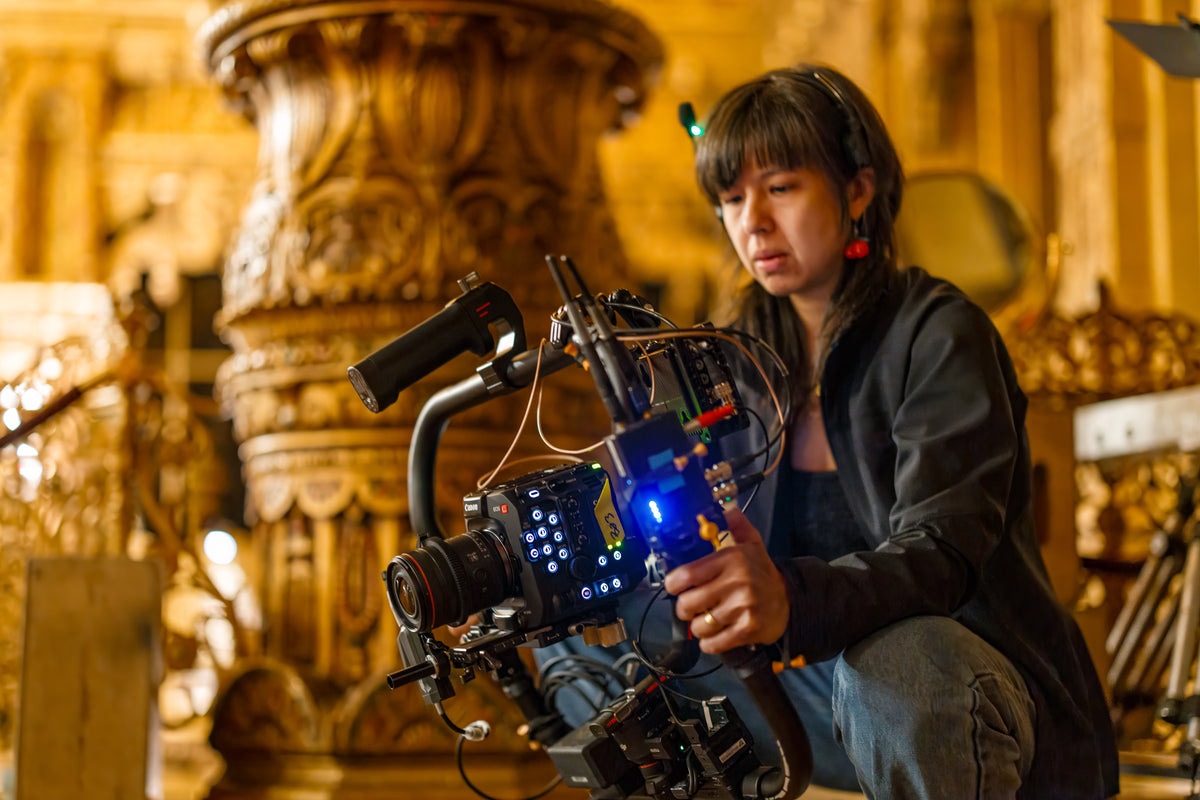
Dual Pixel CMOS AF II provides cutting-edge high-speed and high-precision autofocus capabilities. Utilising deep learning algorithms, it enables exceptional subject detection performance, delivering instant autofocus that captures subjects with remarkable speed.

DIGIC DV 7 Engine for High-Performance Video Processing
Advanced video processing powered by the dedicated DIGIC DV 7 engine, delivering high performance and a range of powerful features.
Manual Selection and Auto Adjustment for Enhanced Image Quality
Select from three base ISO levels manually according to the scene or utilize Auto Selection, which automatically switches to a higher S/N ratio level while preserving dynamic range.
Image Gallery
Product Reviews
Recommended Accessories
Blog posts
Sigma 28-45mm T2 FF AF Cine Review: Cinema Glass That Focuses...
The Sigma AF Cine 28-45mm T2 FF combines the optical performance of Sigma’s popular Art series with professional cinema features and reliable autofocus. In this hands-on review, Laz puts the lens through...
View post
Insta360 X6 Review: 500 km Across the Simpson Desert
We put the Insta360 X6 to the ultimate test across 500 km of the Simpson Desert! From stunning low-light footage and 8K 360° video to replaceable lenses and wireless audio, discover how...
View post
Canon G7 X Mark III vs Fujifilm X100VI: Which Should You Buy?
Compare the Canon PowerShot G7 X Mark III vs Fujifilm X100VI in our real-world camera comparison. Discover the differences in image quality, low-light performance, colour, video features, zoom, and price to find...
View post
Tamron 16-50mm F2.8 vs Sigma 18-50mm F2.8: Which Compact APS-...
If you shoot on an APS-C mirrorless camera and want one lens that stays on the body most of the time, there's a good chance the Sigma 18-50mm F2.8 DC DN Contemporary...
View post
The Ultimate Guide to PTZ Cameras: Choosing the Right Setup f...
Compare Canon, Sony, BirdDog and Telycam PTZ cameras on image quality, tracking, zoom and value. Find the right setup for your production at Georges Cameras.
View post

Beauty Lighting: How to Combine Hard and Soft Light to Make S...
A working beauty photographer’s guide to combining hard and soft light, beauty dish vs softbox, grids, negative fill and a clamshell setup you can copy, for skin that pops.
View post

Everyone Can Take a Picture. Not Everyone Can Hold the Room
What an agent, a Vogue visuals producer and a brand-side creative lead really look for in photographers now. There is a point in almost every creative career where the work alone stops...
View post
Beyond Reach: My Experience With the Fujifilm XF400mmF4.5 Sup...
Explore our hands-on experience with the Fujifilm XF400mmF4.5, covering its sharpness, autofocus, reach and performance for sport, wildlife, landscapes and portraits.
View post
Learn to Get the Shot Right In-Camera
Beauty photography tips from Oliver Minnett’s Georges workshop, covering lighting, direction, working with a creative team, and using Sony and Profoto gear.
View post

Stop Trying to Learn Everything at Once
Beauty photography tips from Oliver Minnett’s Georges workshop, covering lighting, direction, working with a creative team, and using Sony and Profoto gear.
View post