







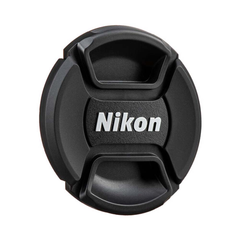








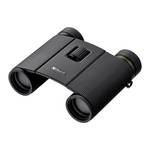
Nikon Rear Cap , Covers Both Eyepieces, For Travelite EX Models Binoculars


Availability
- Availability: In-Stock at Warehouse (4 - 8 days)
Available to order, ready to pick up in-store within 4 - 8 days.
- Standard insured: $9.90 (4 - 8 days)


Price Match
Fill out the price match form below, and we will be in touch shortly.
Price Match
Fill out the price match form below, and we will be in touch shortly.
Recommended accessories
View all
$651.07$834.95
$89.73$129.00
Product Overview
Nikon Rear Cap, Covers Both Eyepieces, For Travelite EX Models Binoculars

Need advice?
Speak to one of our dedicated Australian-based sales team members.
FAQs
What materials are used in the Nikon Rear Cap for Travelite EX models?
How does using a rear cap benefit my binoculars?
Is the Nikon Rear Cap compatible with other brands of binoculars?
Can I use the Nikon Rear Cap while the binoculars are in use?
How do I properly clean the Nikon Rear Cap?
Where should I store the rear cap when it's not in use?
How often should I use the rear cap on my binoculars?
Product Reviews
Recommended Accessories


Blog posts

DJI Osmo Pocket 4P vs Insta360 Luna Ultra: Which Gimbal Camer...
We put the Insta360 X6 to the ultimate test across 500 km of the Simpson Desert! From stunning low-light footage and 8K 360° video to replaceable lenses and wireless audio, discover how...
View post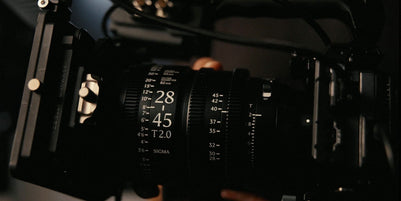
Sigma 28-45mm T2 FF AF Cine Review: Cinema Glass That Focuses...
The Sigma AF Cine 28-45mm T2 FF combines the optical performance of Sigma’s popular Art series with professional cinema features and reliable autofocus. In this hands-on review, Laz puts the lens through...
View post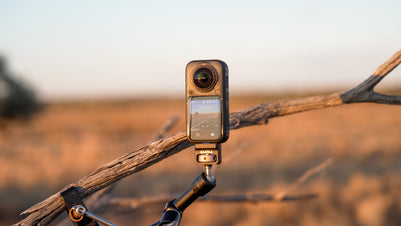
Insta360 X6 Review: 500 km Across the Simpson Desert
We put the Insta360 X6 to the ultimate test across 500 km of the Simpson Desert! From stunning low-light footage and 8K 360° video to replaceable lenses and wireless audio, discover how...
View post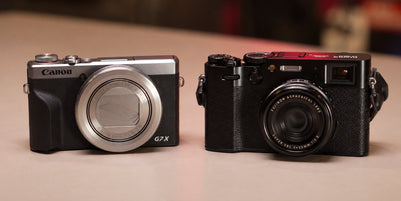
Canon G7 X Mark III vs Fujifilm X100VI: Which Should You Buy?
Compare the Canon PowerShot G7 X Mark III vs Fujifilm X100VI in our real-world camera comparison. Discover the differences in image quality, low-light performance, colour, video features, zoom, and price to find...
View post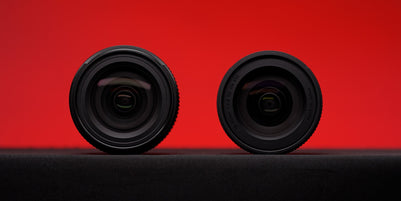
Tamron 16-50mm F2.8 vs Sigma 18-50mm F2.8: Which Compact APS-...
If you shoot on an APS-C mirrorless camera and want one lens that stays on the body most of the time, there's a good chance the Sigma 18-50mm F2.8 DC DN Contemporary...
View post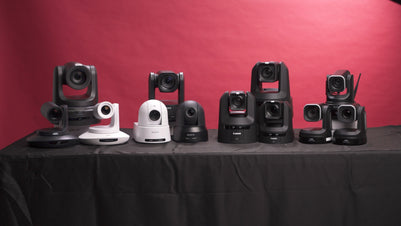
The Ultimate Guide to PTZ Cameras: Choosing the Right Setup f...
Compare Canon, Sony, BirdDog and Telycam PTZ cameras on image quality, tracking, zoom and value. Find the right setup for your production at Georges Cameras.
View post
Beauty Lighting: How to Combine Hard and Soft Light to Make S...
A working beauty photographer’s guide to combining hard and soft light, beauty dish vs softbox, grids, negative fill and a clamshell setup you can copy, for skin that pops.
View post
Everyone Can Take a Picture. Not Everyone Can Hold the Room
What an agent, a Vogue visuals producer and a brand-side creative lead really look for in photographers now. There is a point in almost every creative career where the work alone stops...
View post
Beyond Reach: My Experience With the Fujifilm XF400mmF4.5 Sup...
Explore our hands-on experience with the Fujifilm XF400mmF4.5, covering its sharpness, autofocus, reach and performance for sport, wildlife, landscapes and portraits.
View post
Learn to Get the Shot Right In-Camera
Beauty photography tips from Oliver Minnett’s Georges workshop, covering lighting, direction, working with a creative team, and using Sony and Profoto gear.
View post