























Fujifilm X-M5 Mirrorless Digital Camera Body Only


Lens options


Availability
- Availability: In stock (1 - 2 days)
- Express insured: $15.95 (1-4 days)
- Standard insured: $9.90 (3-7 days)


Price Match
Fill out the price match form below, and we will be in touch shortly.

Price Match
Fill out the price match form below, and we will be in touch shortly.
 If you'd like to know when it's due, we're here to help!
 Call us during business hours at
 Chat live with our team on-site.
 Or email us anytime at info@georges.com.au with the subject "Awaiting Arrival"
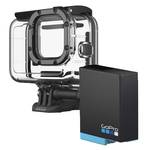
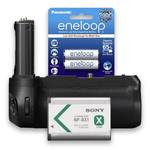
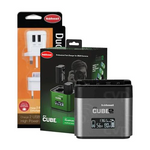
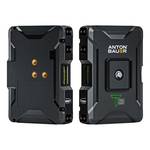
Recommended accessories
View all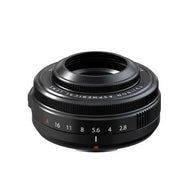
$514.31$729.00
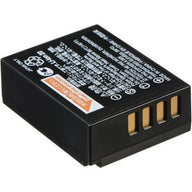
$129.00$149.00
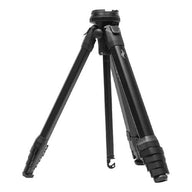
$565.75$689.95

$484.44$599.00
Product Overview
Fujifilm X-M5 Mirrorless Digital Camera Body Only
Colour Your Moment
Every day presents a new opportunity to capture the world differently. With the Fujifilm X-M5 mirrorless digital camera, you have the perfect tool to bring your vision to life. Compact, lightweight, and packed with powerful photo and video functions, it's ideal for documenting everyday moments with ease.
What's in the box:
Fujifilm X-M5 Mirrorless Digital Camera Body Only


Need advice?
Speak to one of our dedicated Australian-based sales team members.
Key Features

26.1 Megapixels
Capture stunning high-resolution images with the 26MP sensor combined with Fujifilm's advanced image processing technology.

6.2K Video Quality
The Fujifilm X-M5 mirrorless digital camera records stunning cinematic-quality video at up to 6.2K with stablisation.

Memory Card Slot
The Fujifilm X-M5 has Single Slot for SD/SDHC/SDXC cards.

ISO 160-12,800
The Fujifilm X-M5 offers an ISO range of 160-12,800 for versatile shooting.

Bluetooth
Standard bluetooth version 4.2, featuring bluetooth low energy for efficient connectivity.

3.0" LCD Screen
The Fujifilm X-M5 has a 1.04-million-dot tilting LCD screen.
FAQs
What are the unique features of the Fujifilm X-M5's X-Trans CMOS 4 sensor?
How does the AI-driven autofocus system improve shooting experiences with the X-M5?
What are the benefits of using the Film Simulation modes on the X-M5?
Can the Fujifilm X-M5 be used effectively for video recording?
How does the X-M5 support content creators with its 9:16 Short Movie mode?
What accessories can enhance the functionality of the Fujifilm X-M5?
How can the Fujifilm XApp enhance the user experience with the X-M5?
What is the significance of the Product Priority mode in video recording?
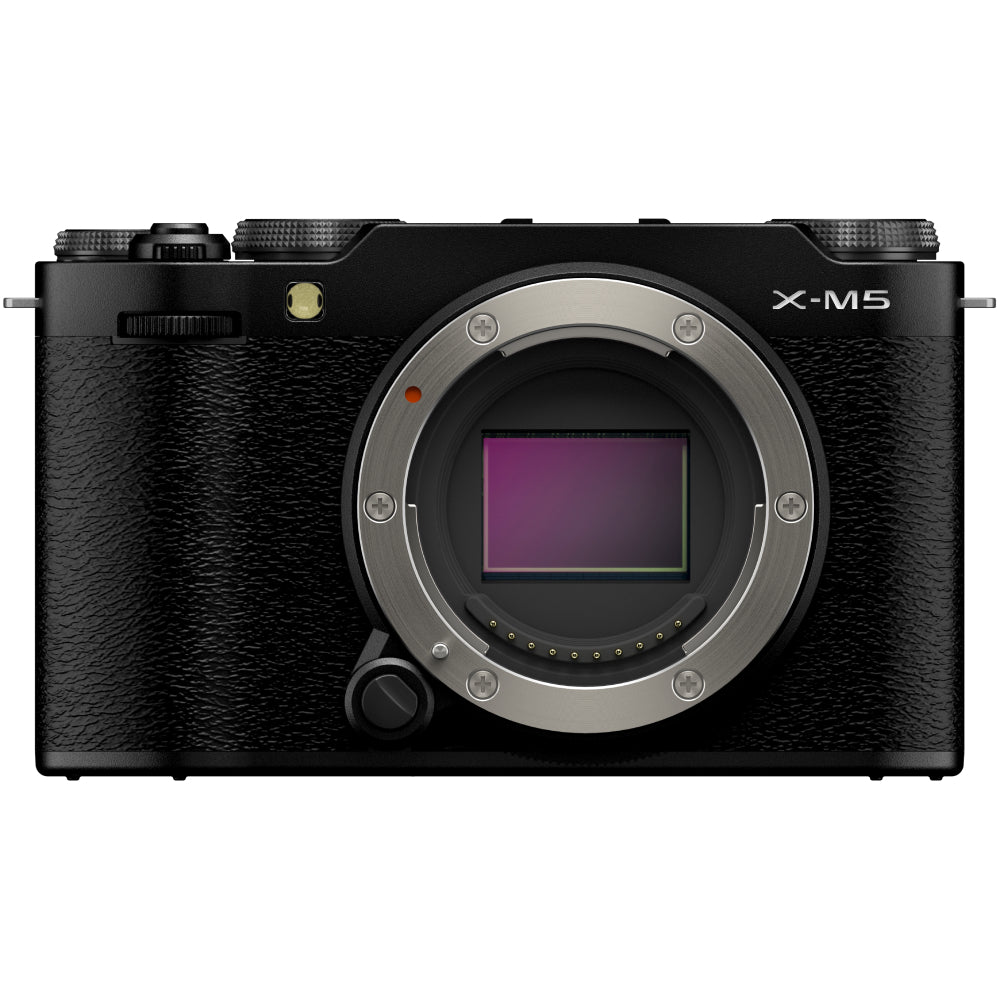
Fujifilm X-M5 Mirrorless Digital Camera

Revolutionary AI Autofocus for Precision Photography

Ready For Everything

Form and Function

Film Simulation mode Dial
Image Gallery
Product Reviews
Recommended Accessories


Blog posts
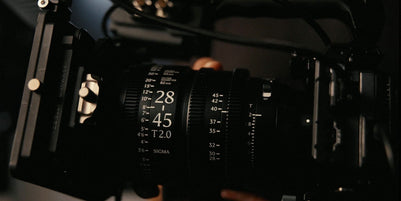
Sigma 28-45mm T2 FF AF Cine Review: Cinema Glass That Focuses...
The Sigma AF Cine 28-45mm T2 FF combines the optical performance of Sigma’s popular Art series with professional cinema features and reliable autofocus. In this hands-on review, Laz puts the lens through...
View post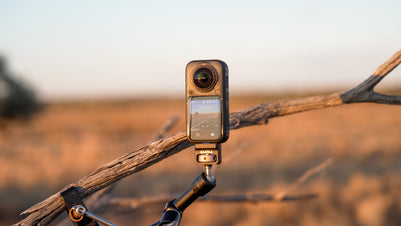
Insta360 X6 Review: 500 km Across the Simpson Desert
We put the Insta360 X6 to the ultimate test across 500 km of the Simpson Desert! From stunning low-light footage and 8K 360° video to replaceable lenses and wireless audio, discover how...
View post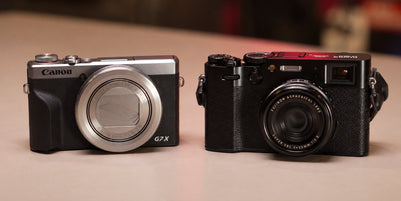
Canon G7 X Mark III vs Fujifilm X100VI: Which Should You Buy?
Compare the Canon PowerShot G7 X Mark III vs Fujifilm X100VI in our real-world camera comparison. Discover the differences in image quality, low-light performance, colour, video features, zoom, and price to find...
View post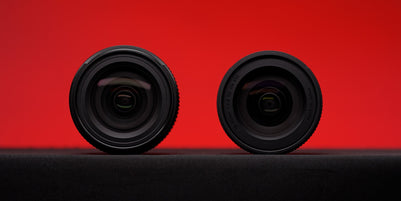
Tamron 16-50mm F2.8 vs Sigma 18-50mm F2.8: Which Compact APS-...
If you shoot on an APS-C mirrorless camera and want one lens that stays on the body most of the time, there's a good chance the Sigma 18-50mm F2.8 DC DN Contemporary...
View post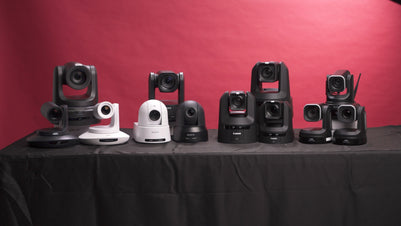
The Ultimate Guide to PTZ Cameras: Choosing the Right Setup f...
Compare Canon, Sony, BirdDog and Telycam PTZ cameras on image quality, tracking, zoom and value. Find the right setup for your production at Georges Cameras.
View post
Beauty Lighting: How to Combine Hard and Soft Light to Make S...
A working beauty photographer’s guide to combining hard and soft light, beauty dish vs softbox, grids, negative fill and a clamshell setup you can copy, for skin that pops.
View post
Everyone Can Take a Picture. Not Everyone Can Hold the Room
What an agent, a Vogue visuals producer and a brand-side creative lead really look for in photographers now. There is a point in almost every creative career where the work alone stops...
View post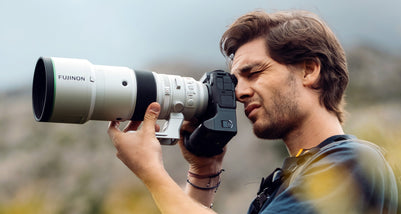
Beyond Reach: My Experience With the Fujifilm XF400mmF4.5 Sup...
Explore our hands-on experience with the Fujifilm XF400mmF4.5, covering its sharpness, autofocus, reach and performance for sport, wildlife, landscapes and portraits.
View post
Learn to Get the Shot Right In-Camera
Beauty photography tips from Oliver Minnett’s Georges workshop, covering lighting, direction, working with a creative team, and using Sony and Profoto gear.
View post
Stop Trying to Learn Everything at Once
Beauty photography tips from Oliver Minnett’s Georges workshop, covering lighting, direction, working with a creative team, and using Sony and Profoto gear.
View post