Explore ND Filters That Suit How You Create
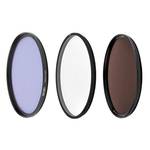
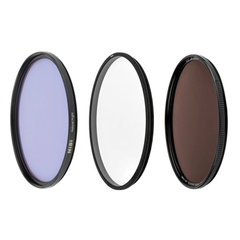
Creative control looks different for every photographer, so it helps to have options that match the way you like to work. If you’re exploring light in new ways or fine-tuning exposure for video, there’s an ND filter in our line-up that will fit naturally into your process.
NiSi 82mm True Color ND-Vario - Controlled Exposure in Bright Light
The NiSi 82mm True Color ND-Vario Pro Nano is a favourite for creators who want smooth control over exposure without the bulk. The 1–5 stop range makes it easy to keep your shutter or aperture exactly where you want it, even in strong daylight.
Its True Color design avoids the colour cast that can creep into lower-quality VNDs, which helps you keep tones consistent across a shoot. It’s a strong pick for stills and video, especially once you start experimenting with movement and long exposures.
NiSi JetMag Pro VND Flex Kit - Quick Magnetic Swaps for Fast Shooting
The NiSi JetMag Pro VND Flex Kit is made for creators who change lenses often and don’t want to slow down. The magnetic JetMag Pro system lets you swap ND filters in seconds without fussing with threads, and the hard stops at 1 and 5 stops help you dial in exposure with confidence.
True Color accuracy keeps your images and footage consistent, and the built-in polarisation control adds extra flexibility when dealing with reflections. It’s a strong companion for creators working on gimbals, dual-camera rigs or any shoot that demands speed.
Hoya 82mm Variable Density II - Wide ND Range for Creative Control
Hoya’s 82mm Variable Density II filter offers a broad 1.5-9 stop range, giving you more room to push shutter speed for long-exposure effects. It maintains clarity thanks to its optical glass build, which is helpful when you’re balancing detail and creativity in bright conditions. This is a reliable choice for photographers who want a versatile filter they can leave in their bag and reach for in changing light.
PolarPro McKinnon Mist Edition II VND - Variable ND with Cinematic Glow
This PolarPro 82mm Peter McKinnon Mist Edition II VND blends variable control with a soft-mist diffusion effect, letting you shape light and atmosphere in one move. It gives highlights a gentle glow that suits documentaries, short films and any project where you want a more cinematic finish.
With no vignetting down to 16mm, it keeps your wide-angle work clean while delivering a distinctive, polished look.
Urth ND2–400 Variable ND - Broad Light Reduction for Stills & Video
Urth’s Wide ND2–400 Variable ND range offers plenty of space to experiment, especially if you love long exposures or shallow-depth looks in bright conditions. The ability to cut up to 8.6 stops gives landscape shooters and videographers more creative flexibility in unpredictable light. It’s a handy option for both stills and video, particularly if you enjoy long exposures or more cinematic looks in daylight.
How to Choose the Right ND Filter
Choosing your first or next ND filter usually starts with a simple question: what kind of control do you want over light?
Photographers at every level reach this point eventually, especially once they start exploring long exposures, bright conditions or creative depth in daylight. Here are the main things to look at when comparing your options:
- Filter size - Match the diameter of your lens, so the filter fits snugly across your setups.
- Density or stop range - Fixed ND strengths give you fixed light-reduction levels. Variable ND gives you more flexibility when lighting changes.
- Image quality and build - Look for glass that keeps colour accurate and reduces unwanted artefacts. Good frames help avoid vignetting on wider lenses.
If you’re matching filters to specific shooting styles or scenes, these are the subjects where ND filters tend to shine:
- Landscape work: Stronger densities help with long exposures, smoothing water or clouds without blowing highlights.
- Portraits in daylight: Lower densities help you open up your aperture for softer depth even when the sun is bright.
- Video: A variable ND pairs well with fixed shutter speeds, giving you more room to maintain your preferred frame rate.
Looking to branch out beyond ND filters? Our team at Georges Cameras can walk you through circular polarising filters and a range of professional lens filters that match the way you shoot.
Getting the Most Out of Your ND Filter
When you’re trying to keep your creative vision consistent in bright conditions, an ND filter is a tool that gives you more room to play. Here are key ways to make the most of it:
- Slow your shutter for more motion. Water, clouds and traffic trails appear smoother when you cut down the light.
- Open your aperture in daylight to create soft depth without overexposing the scene.
- Control exposure for video. Keep your shutter where you want it and let the ND filter handle bright outdoor locations.
- Experiment with long exposures by trying different stop strengths to find the effect that matches your idea.
Once you start trying different combinations, you’ll see how each small adjustment influences the mood. It’s an easy way to push your style further without complicating your setup.
Customer Reviews and Testimonials
If you want to see how an ND filter holds up in real shoots, the reviews speak for themselves.
<Insert reviews and testimonials here>
Check out the product pages to read how other creators use them in bright light, long exposures or fast-paced video work.


-v1665700116905.png?500x500&options=w_150)